
Morayo: The Album

This album, dedicated to WizKid’s mother, has been mistakenly perceived by some music enthusiasts as a mere tribute, with critics suggesting he failed to deeply connect with his grief. Morayo sees WizKid showcasing his versatility, dishing out diverse styles from his artistic repertoire. The album is a buffet of WizKid’s creative personas—RnB, Afrobeat, old-school, and new school—all seamlessly represented. It’s a one-size-fits-all project; listeners just need to pick their favorite flavor and immerse themselves in it. Track-by-Track Review 1. Troubled Mind The album intro begins with a familiar rendition from the king of Fuji, K1 De Ultimate to WizKid, taken from his mom’s burial. It transitions into one of the most poignant verses on the album. This track cloaks grief in escapism, reminiscent of Omah Lay’s emotive delivery. 2. Karamo A comical sound introduces this party anthem, designed to get listeners into a dancing mood. On this track, WizKid confidently brags about his effortless charm in attracting women, a feat others find challenging. 3. Kese (Dance) This lead single sets the tone for the album’s vibrant energy. As the title suggests, it’s tailor-made for the dancefloor. With its infectious rhythm, lively production, and perfect delivery, it achieves its purpose effortlessly. Read also: Asake’s Lungu Boy album review 4. Bad Girl ft. Asake Known for commanding his space on collaborations, WizKid dominates this track, leaving Asake surprisingly subdued. The song highlights WizKid’s mastery as the “king of melodies.” 5. Time Diving into his RnB side, WizKid crafts a love song that’s both heartfelt and worthy of getting drowned in. In Time, he passionately expresses how his love interest makes him feel “time after time.” 6. Piece of My Heart ft. Brent Faiyaz This lead single truly shines within the context of the album. Another RnB gem, it highlights WizKid’s artistry while Brent Faiyaz holds his ground, ensuring the collaboration feels almost perfectly balanced. This track is a listen to one, hear one free jam as the song drops off and cuts back in with a whole ‘nother vibe. 7. Break Me Down WizKid delivers an emotional ode to a woman he’s enamored with, complemented by a soulful female voice on the chorus. The heartfelt lyrics and warm soundscape make this track deeply endearing. Read also: How to make a successful comeback in the music industry 8. Bend Among the album’s gbedu tracks, Bend stands out. Its irresistible vibe transcends the song’s playful theme about a woman’s dance moves. Even while seated, listeners will find themselves moving to its infectious rhythm. HEIS coded but that’s a matter for another article. 9. A Million Blessings While the extended instrumental intro might test patience, WizKid’s entry makes the wait worthwhile. The song’s highlight lies in its thoughtful lyricism and intentional storytelling. 10. Après Minuit ft. Tiakola This unexpected collaboration delivers beyond expectations. Tiakola’s melodic French verses elevate the track, proving that music transcends language barriers. A truly mesmerizing piece. 11. Bad For You ft. Jazmine Sullivan A perfect anthem for lovers who embrace their toxic tendencies. Jazmine Sullivan and WizKid create a track that unapologetically celebrates flawed relationships. 12. Soji Another vibrant gbedu track, Soji carries more depth than others of its kind on the album. However, the chorus falls slightly short of the high standard set by the other dance tracks. Read also: AUDIOMACK: SUPPORTING ARTISTES LIKE YOU TO BECOME SUPERSTARS 13. Don’t CareOne of the top three conscious tracks on the album, Don’t Care stands out for its relatable message. WizKid blends Yoruba into the chorus beautifully, emphasizing his determination to live on his own terms, regardless of judgment. 14. Slow ft. Anaïs CardotWith its slow tempo and Anaïs Cardot’s soft, soulful voice, this track would have made an excellent outro. Its laid-back nature is emblematic of WizKid’s recent musical evolution. 15. Lose This track challenges critics who claim the album lacks substance. WizKid reflects on overcoming life’s struggles as a Nigerian to emerge as one of Africa’s greatest stars, delivering a deeply resonant message. 16. Pray A standout track with conscious lyricism and a heartfelt nod to his late mother. Although its tempo feels too upbeat for an outro, it’s still a fitting conclusion. Its universal appeal secures it as a top-five pick from the album. Read also: DECARLO AND AYOX COMES THROUGH WITH A NEW ANTHEM “WE ARE”, SPREADING UNITY AND LOVE. WizKid’s artistic growth is truly captivating. His recent albums delve deeply into themes of love and introspection, often characterized by soft R&B influences. This shift underscores his resistance to being labeled purely as an Afrobeat artist. Morayo is a testament to his versatility, offering a rich blend of danceable anthems and intimate, slow-burning tracks. We rate this album 7.5/10.
Fireboy DML’s adedamola: A Nostalgic Return to the Empathic Persona of Laughter
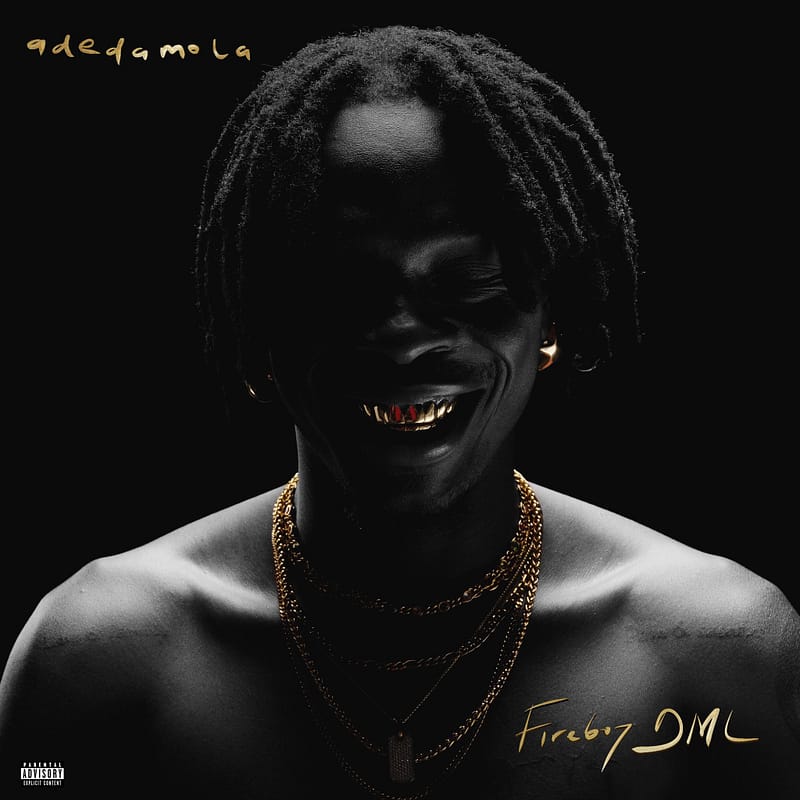
From the beginning of his career, Fireboy DML‘s discography has always showcased an artiste brave enough to explore new sounds and emotions. His third album, Playboy, veered from the usual in terms of the emotions his songs carried, expanding his brand image beyond what fans would traditionally associate with him. While it might have been a detour from his established persona, it wasn’t a misstep; rather, I dare say it showcased his versatility and willingness to evolve. Read also: Album review: Kenteezy’s self titled EP Now, with “adedamola“, Fireboy reintroduces us to the soft empathic boy we fell in love with on Laughter, Tears, and Goosebumps and Apollo. This latest project marks a return to form—especially emotionally—inviting listeners into a more intimate and familiar space. The album blends afropop, amapiano, house, and soul, giving a wide range of sounds for listeners to choose their favorites from. Below is a closer look at the tracks on adedamola: 1. Iseoluwa: On the album opener, Fireboy is giving thanks to God for all he’s been able to do and achieve in his life. His gratitude is palpable and the lyricism is nearly reminiscent of God Only Knows safe for their difference in message passed across. The sound of a small fire at the very beginning, and that of the local instruments that came right after, throws one somewhere between a local church service and a big owambe occasion. Read also: How to create an effective rollout plan for your next project 2. Call Me: Here, Fireboy quickly denounces the playboy era, as he has now found love again. This new found love has got him opening up in ways we’ve never seen. He’s now balancing romance and ambition, promising to always come back no matter how far his dreams take him. It’s like basking in the sun at a beach after a stressful year, and I’m so here for it! 3. Ecstasy: If you’re looking for a standout, this is it! The blend of Seun Kuti’s sax and Fireboy’s voice is absolute perfection. This is the kind of track that reminds us why Fireboy’s voice is in a league of its own. He doesn’t just sing; he casts a visceral dominion spell on you. On this one, he makes you crave physical intimacy as much as he loves it. 4. Hell and Back: This one hits hard! Fireboy goes all in on the heartbreak, delivering a raw and unfiltered look at lost love. Fireboy sings about his stance on going back to a toxic/terrible relationship. Here again, it feels like he’s not just singing—he’s telling his story, and it’s powerful. 5. Letting Go: More heartbreak, but this time with a hint of healing. Fireboy and Lojay make the perfect duo as they navigate the aftermath of a breakup. They aren’t about to let anyone disrupt their peace, and this track feels like a victory lap in self-love and moving forward. Definitely in my top 3 favorites from the album and trust me, it’s not the third. Also read: Rema’s HEIS album review: A Bold Rebrand or a Missed Mark? 6. Back and Forth: Let’s talk about nostalgia—Lagbaja’s voice on this track is everything we didn’t know we needed. Paired with Fireboy, the afro-fusion vibe is pure magic, and the trumpeting takes it to another level. This song is one of the major reasons we say the fireboy of LTG is back because of the literal and literary expressions of love. 7. Ready (feat. Jon Batiste): “Ready” is Fireboy at his most vulnerable, and Jon Batiste’s touch just elevates it to a whole ‘nother level. The song is a beautiful solemn confession of love and desire, and Fireboy’s vocal delivery? Angelic! He sings with a passion that feels so genuine, you can’t help but get caught up in it. “Ready” is the type of soundtrack you’d want to hear in a romantic blockbuster movie. 8. Wande’s Bop (feat. SPINALL): A tribute to Wande Coal? Absolutely! Fireboy’s love for one of his idols shines through on this one, and the 2013-esque club vibe is pure joy. This track feels like a celebration of everything we love about Afropop’s history in NG, and it’s got elements from Wande Coal‘s “The Kick“. Check out: Victony’s STUBBORN album review. 9. Change Your Life: 44 seconds of pure instrumental before Fireboy comes in with nostalgic flows that I can’t quite place yet, but it’s sooo beautiful, and the way that he does it? Magnificent. The agba singer sings his own praise as he convinces his love interest he is capable of changing her life for the better. 10. Obaa Sima: Despite having been released earlier, it has found a better home in the context of the album. As a lead single, it must have been aimed at reconditioning us to once again accept Fireboy‘s loverboy persona. 11. Need Me: The quest for love continues with this track, and many believe it to be a sequel to “Need You” (the LTG album opener) and the lyrics give that assertion some credibility. He reassures his lover that he’ll always be there for her whenever she needs him. 12. Yawa: Yawa is sonically similar to Need Me but holds its own as it delivers a verse centered on blocking out distracting noises and focusing on what has been working for him. He speaks on having naysayers, doubters, back biters, and flexes on them with professions of his superior lifestyle. 13. Everyday: Almost as if the pre released songs were taste tests for the main course, Everyday sits even more beautifully within the structure of the album and tells a love story that movies can be written out of. The strings and trumpet elements give this song a unique feeling of ease and softnessss. Read also: Discover Dammylion and His Self-Titled EP, Dammylion 14. Jon’s Interlude (with Jon Baptiste): As we wind down, Fireboy
Timaya’s Gladiator: The Continuous Evolution of a Nigerian Music Icon

Nigerian music industry legend Timaya is back with his ninth studio album, Gladiator, a powerful blend of the past and present that bridges the gap between the sound that defined his era and the vibrant production of the new school. With Gladiator, Timaya offers a nostalgic yet fresh experience, sweeping listeners back to his signature vibe while embracing the evolved sound of the music industry. Read also: Rema’s HEIS album review With about 2 decades as an artiste, Timaya has created a legacy for himself that cannot be overlooked, starting with his breakout hit “Dem Mama” in 2005. Gladiator stands as proof to his influence and ability to adapt in the ever-changing industry. The album is not just a collection of songs but a narrative that tells the tale of Timaya‘s journey. The 12-track album showcases Timaya‘s versatility, blending dancehall, Afrobeats, and hip-hop. He seamlessly fuses these genres and consequentially creates a unique sound that resonates with the current industry sound. Collaborations with Indigenous rap icons Phyno and Olamide, Afrobeats queen Tiwa Savage, and Jamaican star Konshens enrich the album with pleasant range and diversity. Read also: Asake’s Lungu Boy album review Produced by Young D, Jonny Blaze, and Masterkraft, the album’s dynamic soundscape perfectly complements Timaya’s vibe. From the album opener, Gladiator draws listeners into a world of Timaya‘s perseverance in the face of adversity. Read also: Creating an effective rollout plan Timaya reflects on his life’s challenges, triumphs, and his journey to bridge the gap between the past and the present. Whether it’s the energetic anthems or the more reflective tracks, Gladiator offers a deep look at the man behind the music, taking listeners on a journey through his life and chaotic times. With this album, Timaya continues to inspire, uplift, and empower his listeners, proving once again why he remains an iconic figure in African music.
Exploring A-Q’s Purple Doesn’t Exist: A Review of Lyrical Genius

Nigerian rapper A-Q surprised fans with the release of his new album, just a day after celebrating his birthday. This 10-track project follows the success of his 2023 album, God’s Engineering 2, and showcases A-Q‘s lyrical prowess and versatility. The album spans a diverse range of sounds, from introspective songs to hard-hitting rap tracks, and features collaborations with notable artists such as Blaqbonez, Wizard Chan, Cheque, City Monster, Bkay EastGaad, and Evelle. With Purple Doesn’t Exist, A-Q continues to solidify his position as one of Nigeria’s most gifted lyricists. The album’s varied themes and skilled execution make it a must-listen for true hip-hop enthusiasts. “3rd John” featuring Wizard Chan is a song about being carried by the grace of a spiritual entity. Chan’s unique vocal texture induces a must-love feeling for the mellow chorus as A-Q goes hard on his verses. On “Old Head,” A-Q calls out the rest of the hip-hop industry in Nigeria for their backstabbing, face-value love, and neglect of the art they claim to love. “John Travolta” featuring Blaqbonez sees A-Q boast to his love interests about how much he can help them achieve if they aren’t chasing immediate rewards, while Blaq extols his woman, describing what she makes him feel and what he’s willing to do for her. One of Nigeria’s biggest melodic rappers, Cheque, is featured on “Flex on You,” a song best described by its title. Both artistes get into their rap flexing bag as they detail just how much above regular folks they are. Still in touch with that boisterous side of his, A-Q spazzes on “Down on My Knees” as he once again calls out the industry and their sneaky, shady dealings. On “Colour Blind” featuring City Monster, A-Q describes the few pros and many cons of being involved in technological development (read AI development) very intricately. On “Colour Blind II,” A-Q embodies the persona of a citizen who supports the very government that’s doing everything in its power to make things difficult for him. “Already Rich” features the super-talented BKay EastGaad, known for his ability to switch flows and styles. Here, he and A-Q talk about their life struggles and how making money has not always been easy, but they did it regardless and now can navigate life more easily. “Purple Rose,” featuring soulful singer Evelle, is an emotional song where A-Q describes his mental state after the loss of his mother, following the loss of his dad and two brothers. In the song, A-Q makes direct statements to his late mom about things he would have wanted to say to her if she were still around, the situation surrounding her burial ceremony, and his hope that she has reconnected with those she lost and is proud of him. The last song on Purple Doesn’t Exist is “All Boys Out,” a song that describes what it felt like to be a teen in his years… the societal norms, expectations, and injustices. He also describes his adult life and all the expectations and realities that come with it. A-Q, being one of the most intricate and intelligent lyricists in the hip-hop game, did not fail to satisfy us with witty lines and superliminal messages. According to a tweet from A-Q, he hopes that his music helps us to challenge our uncompromising perception of reality.
Victony’s STUBBORN album review.

Victony’s journey as an Artiste has been nothing short of interesting. He came into the scene as The Outlaw King and has built a tribe loyal to him, his music, and his brand. His contribution to Mayorkun’s “Holy Father” is widely credited as the song responsible for his breakout even though he had been active and buzzing before the collaboration. His sophomore album’s creative direction was inspired by the resilience he has personified from when he was a struggling child to now that he’s a superstar. From the cover art, which shows him in a war helmet anyone familiar with the Arthurian legend would be familiar with, to the visuals of the titular track. Resilience, which he referred to as stubbornness, is the main theme of the album, and this is especially evident in the track with Asake, which is titled after the album, “Stubborn,” and “Oshaprapra.” On “Oshaprapra,” he speaks about his challenges and describes them as “hellfire” while enlisting Shorae Moore, another creative genius who complemented Victony beautifully. On “History,” Victony reached deep into his lamba bag to describe his struggles while growing up. With his hand still dancing at the bottom of his lambag, Victony featured Shallipoppi, the Nigerian Shakespeare, on “Ludo” to create a sultry song rich with Afrobeat lamba-esque poetry. Read also: The year I turned 21 album review “Anita” carries a mean hook you don’t have to listen to more than once to get infected by. Victony, who is known to be a staunch preacher of b#mb#m supremacy, describes his desire to “eat Anita’s cake” (wink, wink). On “Everything,” Victony sampled Post Malone & Swae Lee’s “Sunflower.” “Everything” is another track in which Victony reached deep into his lambag as he compared his woman to everything good and nice poetically in the Nigerian way. On “Risk,” he’s more vocal about his love for b#mb#m as he speaks of his partner’s backside while singing her adorations. The different vocal textures and styles he employed on this song almost make it feel like he featured at least one other Artiste, but it’s just one genius behind the microphone. Victony featured SAINt JHN on “Tiny Apartment.” This song shows the two Artistes bending and switching beautifully between different delivery styles. On “Slow Down,” Victony displays more versatility while retaining his unique vocal texture as he delivered a beautiful pop-influenced verse to accommodate Teezo Touchdown‘s country-influenced verse. Read also: Born in the wild album review The titular track, “Stubborn,” where he features Asake, another Nigerian star, explains what it means to be really stubborn: the resilience, the doing things people have told you you wouldn’t be able to do, the being headstrong even under unfavorable situations. He describes what it has been like being a poorer, younger him and all the struggles he had to overcome. As someone that enjoys experimenting with both his music and imagery, often incorporating various alter egos like is seen in his alien personality, “Tredax.” This characteristic of Victony is evident on “Kolo,” where he delivers lambastic Afrobeats writing and flows, describing his crazier, street-oriented side. “Ba$Tard, Don’t Be Silly” is another track that draws from the same well while telling people not to mess with his bag. Victony can be described as a deep lover with the way he expressed vulnerability and longing for his woman on “Pier 46,” on which he featured KTIZO. The song offers solemn, yet catchy lyrics and melodies that many are going to have a good time serenading their love interests with. On “Sunday School,” he pours out his bleeding heart after being stabbed in the heart by a partner he had given his all to. Wrapping up the album, Victony reaffirms his spirituality by asking God to ease his affairs and guide his steps as he resiliently goes through life on the track, “Street Affair.” Victony’s STUBBORN is an Afrobeats masterpiece that’s going to birth many chart-topping tracks as people get into it more and more, just like Omah Lay’s “Boy Alone” did. It’s definitely part of our top five favorite projects of the year 2024 so far.
No1Again Comes back with “What Did You Expect?” and it is Top Notch Music

Singer and songwriter, No1Again is back! After sometime away, the young sensation is back with a new single “What Did You Expect?” (Prod. by AK John) “What did you expect?” is a song that carries a catchy hook and a message that promotes confidence in our every day life. No1Again taps into his new lifestyle to lace the song with lines that it’s listeners can relate to. Distributed by Azuri, “What Did You Expect?” Is now out on all platforms. Listen here: https://Azuri.lnk.to/WhatDidYouExpect To stay updated with No1Again as he progress, follow him on social media. Instagram: @Niko_No1AgainX (Twitter): @Niko_No1Again Read also: AFTER THE DRIVE, SHOLS COMES BACK WITH “MY PAPER” AND IT’S AMAZING
AFTER THE DRIVE, SHOLS COMES BACK WITH “MY PAPER” AND IT’S AMAZING

Akinsola Oluwaseyi better known as Shols continues to make it clear that he’s not just a top notch producer but a complete artist. Few months back, Shols Introduced us to his body of work “Dark Light Drive”, and as the name implies, the EP took it’s fans on a drive that paints pictures of love, emotions and soft life. Moving forward, Shols follows up with a new single “My Paper” ft. Txby. It’s noteworthy to say that “My Paper” is a result of the synergy that happens between two amazing artistes, Shols & Txby. Produced by Shols himself, the song spreads positivity. It encourages fun lovers who work genuinely for their money to enjoy their life’s. The instrumental and vocal texture blends smoothly, enough to set you in a relaxed mode. “My Paper” by Shols ft. Txby is now available on all streaming platforms. You can stream it here: linktr.ee/sholsmusic Stay connected with Shols on Instagram:: @Sholsmusic