From the beginning of his career, Fireboy DML‘s discography has always showcased an artiste brave enough to explore new sounds and emotions. His third album, Playboy, veered from the usual in terms of the emotions his songs carried, expanding his brand image beyond what fans would traditionally associate with him. While it might have been a detour from his established persona, it wasn’t a misstep; rather, I dare say it showcased his versatility and willingness to evolve.
Read also: Album review: Kenteezy’s self titled EP
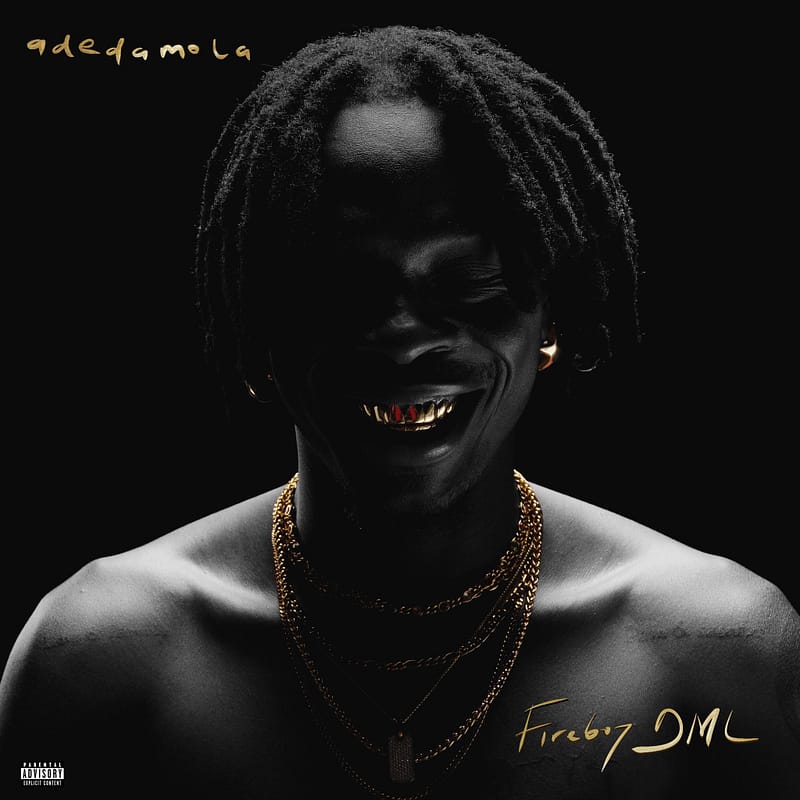
Now, with “adedamola“, Fireboy reintroduces us to the soft empathic boy we fell in love with on Laughter, Tears, and Goosebumps and Apollo. This latest project marks a return to form—especially emotionally—inviting listeners into a more intimate and familiar space. The album blends afropop, amapiano, house, and soul, giving a wide range of sounds for listeners to choose their favorites from.
Below is a closer look at the tracks on adedamola:
1. Iseoluwa: On the album opener, Fireboy is giving thanks to God for all he’s been able to do and achieve in his life. His gratitude is palpable and the lyricism is nearly reminiscent of God Only Knows safe for their difference in message passed across. The sound of a small fire at the very beginning, and that of the local instruments that came right after, throws one somewhere between a local church service and a big owambe occasion.
Read also: How to create an effective rollout plan for your next project
2. Call Me: Here, Fireboy quickly denounces the playboy era, as he has now found love again. This new found love has got him opening up in ways we’ve never seen. He’s now balancing romance and ambition, promising to always come back no matter how far his dreams take him. It’s like basking in the sun at a beach after a stressful year, and I’m so here for it!
3. Ecstasy: If you’re looking for a standout, this is it! The blend of Seun Kuti’s sax and Fireboy’s voice is absolute perfection. This is the kind of track that reminds us why Fireboy’s voice is in a league of its own. He doesn’t just sing; he casts a visceral dominion spell on you. On this one, he makes you crave physical intimacy as much as he loves it.
4. Hell and Back: This one hits hard! Fireboy goes all in on the heartbreak, delivering a raw and unfiltered look at lost love. Fireboy sings about his stance on going back to a toxic/terrible relationship. Here again, it feels like he’s not just singing—he’s telling his story, and it’s powerful.
5. Letting Go: More heartbreak, but this time with a hint of healing. Fireboy and Lojay make the perfect duo as they navigate the aftermath of a breakup. They aren’t about to let anyone disrupt their peace, and this track feels like a victory lap in self-love and moving forward. Definitely in my top 3 favorites from the album and trust me, it’s not the third.
Also read: Rema’s HEIS album review: A Bold Rebrand or a Missed Mark?
6. Back and Forth: Let’s talk about nostalgia—Lagbaja’s voice on this track is everything we didn’t know we needed. Paired with Fireboy, the afro-fusion vibe is pure magic, and the trumpeting takes it to another level. This song is one of the major reasons we say the fireboy of LTG is back because of the literal and literary expressions of love.
7. Ready (feat. Jon Batiste): “Ready” is Fireboy at his most vulnerable, and Jon Batiste’s touch just elevates it to a whole ‘nother level. The song is a beautiful solemn confession of love and desire, and Fireboy’s vocal delivery? Angelic! He sings with a passion that feels so genuine, you can’t help but get caught up in it. “Ready” is the type of soundtrack you’d want to hear in a romantic blockbuster movie.
8. Wande’s Bop (feat. SPINALL): A tribute to Wande Coal? Absolutely! Fireboy’s love for one of his idols shines through on this one, and the 2013-esque club vibe is pure joy. This track feels like a celebration of everything we love about Afropop’s history in NG, and it’s got elements from Wande Coal‘s “The Kick“.
Check out: Victony’s STUBBORN album review.
9. Change Your Life: 44 seconds of pure instrumental before Fireboy comes in with nostalgic flows that I can’t quite place yet, but it’s sooo beautiful, and the way that he does it? Magnificent. The agba singer sings his own praise as he convinces his love interest he is capable of changing her life for the better.
10. Obaa Sima: Despite having been released earlier, it has found a better home in the context of the album. As a lead single, it must have been aimed at reconditioning us to once again accept Fireboy‘s loverboy persona.
11. Need Me: The quest for love continues with this track, and many believe it to be a sequel to “Need You” (the LTG album opener) and the lyrics give that assertion some credibility. He reassures his lover that he’ll always be there for her whenever she needs him.
12. Yawa: Yawa is sonically similar to Need Me but holds its own as it delivers a verse centered on blocking out distracting noises and focusing on what has been working for him. He speaks on having naysayers, doubters, back biters, and flexes on them with professions of his superior lifestyle.
13. Everyday: Almost as if the pre released songs were taste tests for the main course, Everyday sits even more beautifully within the structure of the album and tells a love story that movies can be written out of. The strings and trumpet elements give this song a unique feeling of ease and softnessss.
Read also: Discover Dammylion and His Self-Titled EP, Dammylion
14. Jon’s Interlude (with Jon Baptiste): As we wind down, Fireboy closed the curtains with the gentle fade of “Jon’s interlude.” It’s a soft landing after an emotional rollercoaster, like the final notes of a love letter that you never want to end.
In “adedamola,” Fireboy delivers a blend of romantic thoughts and personal reflections, reigniting the charm that Fireboy DML first displayed on Laughter, Tears, and Goosebumps. It’s like he’s painting with his voice, each note a different shade of emotion. His vocals are peerless, easily standing alongside icons like Wande Coal. “adedamola” stands as arguably his best work since his sophomore album, Apollo.