
Fireboy DML’s adedamola: A Nostalgic Return to the Empathic Persona of Laughter
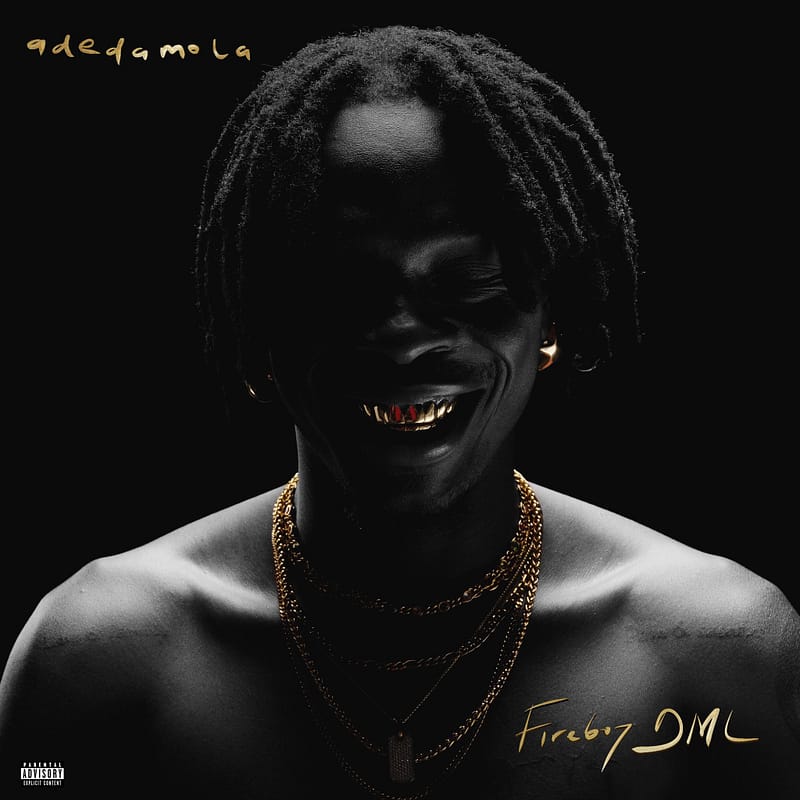
From the beginning of his career, Fireboy DML‘s discography has always showcased an artiste brave enough to explore new sounds and emotions. His third album, Playboy, veered from the usual in terms of the emotions his songs carried, expanding his brand image beyond what fans would traditionally associate with him. While it might have been a detour from his established persona, it wasn’t a misstep; rather, I dare say it showcased his versatility and willingness to evolve. Read also: Album review: Kenteezy’s self titled EP Now, with “adedamola“, Fireboy reintroduces us to the soft empathic boy we fell in love with on Laughter, Tears, and Goosebumps and Apollo. This latest project marks a return to form—especially emotionally—inviting listeners into a more intimate and familiar space. The album blends afropop, amapiano, house, and soul, giving a wide range of sounds for listeners to choose their favorites from. Below is a closer look at the tracks on adedamola: 1. Iseoluwa: On the album opener, Fireboy is giving thanks to God for all he’s been able to do and achieve in his life. His gratitude is palpable and the lyricism is nearly reminiscent of God Only Knows safe for their difference in message passed across. The sound of a small fire at the very beginning, and that of the local instruments that came right after, throws one somewhere between a local church service and a big owambe occasion. Read also: How to create an effective rollout plan for your next project 2. Call Me: Here, Fireboy quickly denounces the playboy era, as he has now found love again. This new found love has got him opening up in ways we’ve never seen. He’s now balancing romance and ambition, promising to always come back no matter how far his dreams take him. It’s like basking in the sun at a beach after a stressful year, and I’m so here for it! 3. Ecstasy: If you’re looking for a standout, this is it! The blend of Seun Kuti’s sax and Fireboy’s voice is absolute perfection. This is the kind of track that reminds us why Fireboy’s voice is in a league of its own. He doesn’t just sing; he casts a visceral dominion spell on you. On this one, he makes you crave physical intimacy as much as he loves it. 4. Hell and Back: This one hits hard! Fireboy goes all in on the heartbreak, delivering a raw and unfiltered look at lost love. Fireboy sings about his stance on going back to a toxic/terrible relationship. Here again, it feels like he’s not just singing—he’s telling his story, and it’s powerful. 5. Letting Go: More heartbreak, but this time with a hint of healing. Fireboy and Lojay make the perfect duo as they navigate the aftermath of a breakup. They aren’t about to let anyone disrupt their peace, and this track feels like a victory lap in self-love and moving forward. Definitely in my top 3 favorites from the album and trust me, it’s not the third. Also read: Rema’s HEIS album review: A Bold Rebrand or a Missed Mark? 6. Back and Forth: Let’s talk about nostalgia—Lagbaja’s voice on this track is everything we didn’t know we needed. Paired with Fireboy, the afro-fusion vibe is pure magic, and the trumpeting takes it to another level. This song is one of the major reasons we say the fireboy of LTG is back because of the literal and literary expressions of love. 7. Ready (feat. Jon Batiste): “Ready” is Fireboy at his most vulnerable, and Jon Batiste’s touch just elevates it to a whole ‘nother level. The song is a beautiful solemn confession of love and desire, and Fireboy’s vocal delivery? Angelic! He sings with a passion that feels so genuine, you can’t help but get caught up in it. “Ready” is the type of soundtrack you’d want to hear in a romantic blockbuster movie. 8. Wande’s Bop (feat. SPINALL): A tribute to Wande Coal? Absolutely! Fireboy’s love for one of his idols shines through on this one, and the 2013-esque club vibe is pure joy. This track feels like a celebration of everything we love about Afropop’s history in NG, and it’s got elements from Wande Coal‘s “The Kick“. Check out: Victony’s STUBBORN album review. 9. Change Your Life: 44 seconds of pure instrumental before Fireboy comes in with nostalgic flows that I can’t quite place yet, but it’s sooo beautiful, and the way that he does it? Magnificent. The agba singer sings his own praise as he convinces his love interest he is capable of changing her life for the better. 10. Obaa Sima: Despite having been released earlier, it has found a better home in the context of the album. As a lead single, it must have been aimed at reconditioning us to once again accept Fireboy‘s loverboy persona. 11. Need Me: The quest for love continues with this track, and many believe it to be a sequel to “Need You” (the LTG album opener) and the lyrics give that assertion some credibility. He reassures his lover that he’ll always be there for her whenever she needs him. 12. Yawa: Yawa is sonically similar to Need Me but holds its own as it delivers a verse centered on blocking out distracting noises and focusing on what has been working for him. He speaks on having naysayers, doubters, back biters, and flexes on them with professions of his superior lifestyle. 13. Everyday: Almost as if the pre released songs were taste tests for the main course, Everyday sits even more beautifully within the structure of the album and tells a love story that movies can be written out of. The strings and trumpet elements give this song a unique feeling of ease and softnessss. Read also: Discover Dammylion and His Self-Titled EP, Dammylion 14. Jon’s Interlude (with Jon Baptiste): As we wind down, Fireboy
Timaya’s Gladiator: The Continuous Evolution of a Nigerian Music Icon

Nigerian music industry legend Timaya is back with his ninth studio album, Gladiator, a powerful blend of the past and present that bridges the gap between the sound that defined his era and the vibrant production of the new school. With Gladiator, Timaya offers a nostalgic yet fresh experience, sweeping listeners back to his signature vibe while embracing the evolved sound of the music industry. Read also: Rema’s HEIS album review With about 2 decades as an artiste, Timaya has created a legacy for himself that cannot be overlooked, starting with his breakout hit “Dem Mama” in 2005. Gladiator stands as proof to his influence and ability to adapt in the ever-changing industry. The album is not just a collection of songs but a narrative that tells the tale of Timaya‘s journey. The 12-track album showcases Timaya‘s versatility, blending dancehall, Afrobeats, and hip-hop. He seamlessly fuses these genres and consequentially creates a unique sound that resonates with the current industry sound. Collaborations with Indigenous rap icons Phyno and Olamide, Afrobeats queen Tiwa Savage, and Jamaican star Konshens enrich the album with pleasant range and diversity. Read also: Asake’s Lungu Boy album review Produced by Young D, Jonny Blaze, and Masterkraft, the album’s dynamic soundscape perfectly complements Timaya’s vibe. From the album opener, Gladiator draws listeners into a world of Timaya‘s perseverance in the face of adversity. Read also: Creating an effective rollout plan Timaya reflects on his life’s challenges, triumphs, and his journey to bridge the gap between the past and the present. Whether it’s the energetic anthems or the more reflective tracks, Gladiator offers a deep look at the man behind the music, taking listeners on a journey through his life and chaotic times. With this album, Timaya continues to inspire, uplift, and empower his listeners, proving once again why he remains an iconic figure in African music.

Asake, the monstrosity of a Nigerian pop—scratch that, global popstar—has once again graced our music libraries with an album titled “Lungu Boy.” After the successes of his debut and sophomore albums, Asake aims to complete his own trilogy with this release. In an interview with Apple Music, Asake explains that “Lungu” is a term for “ghetto,” and the album explores his upbringing, musical journey, and how these experiences have molded him into the person he is evolving into. Asake kickstarts the album with a track titled “Start,” where he samples Asa‘s vocals from her legendary hit single, “Eye Adaba.” It makes for the perfect intro, as Asake enters the track with eulogistic lyrics. Read also: Purple doesn’t exist album review “MMS,” featuring Wizkid, which seems to be getting all the buzz online, however, feels underwhelming. It seems like Asake is letting the beat return jabs rather than being in full charge of it as usual. The overly mellow vibe of this song stays consistent even through Wizkid‘s verse and struggles to strike any good chords. It feels like getting bitter leaf-flavored ice cream all of a sudden from your favorite ice cream vendor—a beautiful song, nonetheless, that would’ve been perfect as a standalone single. Getting back into his groove, Asake on “Mood” is everything you’d expect from him, as the energy and beat return to what he’s known for. What makes this song even more amazing is Asake‘s delivery of an impressive verse predominantly in Spanish and how he manages to nail it squarely. “My Heart” sees Asake displaying his loverboy side. Riding the wave of his last album’s success and Grammy nomination, this Lungu Boy’s global reach has become evident, and he declares it on track 5, titled “Worldwide.” Asake continues to impact the music industry not just in Nigeria, but globally. For “Active,” the Lungu Boy teams up with Travis Scott for a creative party anthem. Featuring a sample from Jazzman Olofin and Adewale Ayuba’s “Raise the Roof,” Travis Scott and Asake blend well on this pop-Fuji track. Travis takes a creative approach with his verse, using the sample to complete his lines. Read also: How to create an effective rollout plan for your next release “Suru,” featuring Stormzy, is a sublime song where the collaborators sync beautifully. They preach about patience, its rewards, and the mysterious works of God. “Skating” is a song about his newfound hobby, finding joy in the little things even as an adult, and navigating life as a popstar. “Wave,” a track with Central Cee, is everything wavy and lovely as Asake describes his strict affinity for good energy, a great time, and more money, while Cee speaks to his babe about the soft life he’s now able to afford her after going through a tough path. “Mentally” is a song about keeping his mind in the right state at all times by avoiding situations detrimental to his mental health and embracing favorable circumstances. “Uhh Yeah” is all Fuji vibes and American club music. Sarz gives Asake the perfect cross-cultural canvas for him to paint on this one. “I Swear” sees Asake confessing his newfound ease with navigating life and his steady enjoyment of it. Asake‘s unique blend of danceable gyrations with Fuji vibes is clear on “Ligali,” as he spazzes about a good girl who likes all the bad things responsibly. Is there a genre Asake cannot do? Asake delivers on “Whine,” a dancehall track alongside LUDMILLA. On arguably the most anticipated track on the album after “MMS,” “Fuji Vibe,” the ‘bonus track,’ has become the cornerstone of the decade with its distinct Lagos groovy sound. And of course, it is Fuji in all its glory. The alujo on the second half of the 5-minute-plus song carries an instrumental rendition of his breakout single from 2020, “Mr. Money.” Despite its duration, the people love it. A 10/10 album closer. Safe for MMS, it’s safe to say Asake made another beautifully curated album and it’s sure going to appear on multiple album of the year conversations.
Exploring A-Q’s Purple Doesn’t Exist: A Review of Lyrical Genius

Nigerian rapper A-Q surprised fans with the release of his new album, just a day after celebrating his birthday. This 10-track project follows the success of his 2023 album, God’s Engineering 2, and showcases A-Q‘s lyrical prowess and versatility. The album spans a diverse range of sounds, from introspective songs to hard-hitting rap tracks, and features collaborations with notable artists such as Blaqbonez, Wizard Chan, Cheque, City Monster, Bkay EastGaad, and Evelle. With Purple Doesn’t Exist, A-Q continues to solidify his position as one of Nigeria’s most gifted lyricists. The album’s varied themes and skilled execution make it a must-listen for true hip-hop enthusiasts. “3rd John” featuring Wizard Chan is a song about being carried by the grace of a spiritual entity. Chan’s unique vocal texture induces a must-love feeling for the mellow chorus as A-Q goes hard on his verses. On “Old Head,” A-Q calls out the rest of the hip-hop industry in Nigeria for their backstabbing, face-value love, and neglect of the art they claim to love. “John Travolta” featuring Blaqbonez sees A-Q boast to his love interests about how much he can help them achieve if they aren’t chasing immediate rewards, while Blaq extols his woman, describing what she makes him feel and what he’s willing to do for her. One of Nigeria’s biggest melodic rappers, Cheque, is featured on “Flex on You,” a song best described by its title. Both artistes get into their rap flexing bag as they detail just how much above regular folks they are. Still in touch with that boisterous side of his, A-Q spazzes on “Down on My Knees” as he once again calls out the industry and their sneaky, shady dealings. On “Colour Blind” featuring City Monster, A-Q describes the few pros and many cons of being involved in technological development (read AI development) very intricately. On “Colour Blind II,” A-Q embodies the persona of a citizen who supports the very government that’s doing everything in its power to make things difficult for him. “Already Rich” features the super-talented BKay EastGaad, known for his ability to switch flows and styles. Here, he and A-Q talk about their life struggles and how making money has not always been easy, but they did it regardless and now can navigate life more easily. “Purple Rose,” featuring soulful singer Evelle, is an emotional song where A-Q describes his mental state after the loss of his mother, following the loss of his dad and two brothers. In the song, A-Q makes direct statements to his late mom about things he would have wanted to say to her if she were still around, the situation surrounding her burial ceremony, and his hope that she has reconnected with those she lost and is proud of him. The last song on Purple Doesn’t Exist is “All Boys Out,” a song that describes what it felt like to be a teen in his years… the societal norms, expectations, and injustices. He also describes his adult life and all the expectations and realities that come with it. A-Q, being one of the most intricate and intelligent lyricists in the hip-hop game, did not fail to satisfy us with witty lines and superliminal messages. According to a tweet from A-Q, he hopes that his music helps us to challenge our uncompromising perception of reality.
How To Create an Effective Rollout plan for your next project

Developing an effective rollout plan is crucial for a successful project release but it can be a bank breaking, debt incurring endeavor for acts with not so much money to expend. In this article, I’ll be telling you how to effectively use resources available to you for your project rollout. 1. Twitter/X: Generating Buzz Teasers and Announcements: Use Twitter to share snippets, artwork, and behind the scene clips and have your mutuals retweet them for a broader reach. Engage with fans by asking for their thoughts about the artworks and snippets. The visuals of the rollout should align with the creative idea of the project. Take Rema, for instance, whose visuals beautifully complement his artistic vision. You can also add the link to your snippet tweet to your comments on tweets having high engagement to siphon views. 2. Instagram: Visual Storytelling Stories and Reels: Post good quality behind-the-scenes content, sneak peeks, and music snippets via Stories and Reels. Use IGTV for longer content like interviews and try to get your followers to repost and engage as much as possible for more reach. Host Q&A sessions on your story and live stream to interact directly with your audience. Name names and give shout out to your supporters to encourage more people to do the same. Read Also: Rema’s HEIS album review: A Bold Rebrand or a Missed Mark? 3. TikTok: Viral Potential Challenges and Trends: Create interesting TikTok challenges using your music to encourage user-generated content. Participate in trending topics to increase your visibility. Share catchy segments of your songs and behind-the-scenes clips to quickly capture attention. You should also get your supporters in to help you with reposts as it’ll put your content in front of their own audience as well. 4. Blogs: Establish Credibility Pitch to Music Blogs: Reach out to reputable music blogs with personalized pitches, highlighting the uniqueness of your project and why they should spotlight you. Write guest posts or secure interviews to provide deeper insights into your music and creative process while building credibility. Here at The Artiste Guide (TAG), we offer more than just a very affordable blog post service that won’t have you breaking the bank, we can also help you with every aspect of your rollout in a way that matches your budget while also giving you valuable advice and support from the community. By leveraging these platforms, you can create an effective and engaging music rollout that’ll capture and retain audience interest in anticipation for your release. Reach out to us for your release rollout needs here.
Rema’s HEIS album review: A Bold Rebrand or a Missed Mark?

For someone who has consistently proven his sonic diversity and mastery across a wide range of sounds and genres, Rema has apparently not been able to convince his Nigerian audience that he’s not one they can lock in a box and make churn out the same sound over and over again. For a people that demand versatility and “range” from artists they consider great, Nigerians have proven their own lack of range in taste for music as they struggle to enjoy Rema‘s latest album, HEIS. Rema is bold in his visuals and sound as he rebrands into a preacher of the Benin culture, but this is still not enough to convince the audience that this new sound is not so new. If there’s one thing about Rema, it is that he makes music as led by the spirit, and the success of every one of his “supposed” experiments is always loud enough to drown out the noise from the hating normies. Read also: Victony’s Stubborn album review The album, HEIS, whose title can loosely translate to uniqueness, supremacy, and an embodiment of an outstanding nature from the Greek language, is overall a high-energy project that’d understandably be enjoyed better at raves, clubs, and concerts. On the album, Rema highlights his greatness, culture, and superiority in the music industry. On the album opener, “March Am,” Rema beautifully eats up P Priime‘s high-tempo, heavy drums and leaves absolutely no crumbs as he reasserts his domineering persona while also delivering a super catchy and repetitive chorus and hook. Immediately “Azaman” comes on, it makes you feel nostalgic as it reminds you of the era of Lil Kesh‘s “Shoki,” where Afrobeats caught your attention with the intro followed closely by the hook as he speaks on his attitude towards making money while highlighting made men he looked up to under the subject. Read also: Zeedaa and Lala debut in grand style with Over On one of the lead singles, “HeHeHe,” he’s quite literally laughing at his haters while sneak dissing the entire industry as he proclaims himself the newest member of the “Big 4.” Rema announces the outdated status of the “Big 3” conversation and asserts that he has more greatness coming as he is yet to tap into his full potential. “Yayo” is one of the very few new songs on the album that appears to appeal to the Nigerian audience, and if I were asked to judge why, I’d say it’s because it’s the closest to what they’re used to as it has Asake written all over it. Read also: Album Review: Born in the wild “Benin Boys,” the other lead single in which he featured Shallipoppi, is already going multiple times platinum in the streets, while the internet people, who only think their opinions matter in the grand scheme of things, are calling it a failed collaboration that should never have happened. “HEIS” is another track on the album that kind of appeals to the Nigerian audience as Rema calms down his high-energy delivery for it. The song also comes with a special deep African-esque sample on the hook, which adds a breath of fresh air and variety to the overall feel of the song and album. One would find it hard to believe it’s the same high-energy Nigerians that are complaining. “Ozeba” is one track I know will suffer in the legs (hands) of African legwork dancers, so I’m pretty certain of its long reign as a top favorite from the album. Rema enlists Odumodublvck on “War Machine,” which embodies its title as it comes in the form of a war song in melody and lyricism. On “Egungun,” Rema channels his inner old-school Wizkid as he stylishly glides over the instrumental with reminiscent flows, while on “Villain,” Rema has us levitating with the background vocals playing underneath the chorus. Read also: BreakOutOfTheMonth May ’24 playlist review “Now I Know,” the last track on the album, appears to be the most loved song on the album among online and offline listeners. It feels like the closest to what the complainers call the “regular Rema sound,” but more than just the sound, the message in the song carries a deep meaning a lot of Nigerians can really connect with on an emotional level. An immaculate album closer. Although many claim HEIS is an experimental project, I am familiar with Rema enough to know that this is a legit era of sound, and it’s here to stay until he taps into his abido shaker and comes at us with an even crazier sound. For those that loved the Ravage EP, this album wouldn’t feel strange at all, but I acknowledge that music, like every other art, is subjective, and not everyone will like every work from an art creator.
Discover Dammylion and His Self-Titled EP, Dammylion

Meet Awwal Oluwadamilola Soliu, better known as Dammylion, a passionate Nigerian singer/songwriter with an impressive knack for gliding over diverse genres. Dammylion’s music is a refreshing infusion of Afrobeats and pop, delivering positive energy through his lyrics and melodies. Also read: Zeedaa and lala debut in grand style with “Over” Dammylion’s self-titled EP is a testament to his versatility and creativity, seamlessly cutting across genres that are popular in Nigeria. The lead single, “Oshey,” from the EP has quickly become a favorite among fun-loving audiences, showcasing Dammylion’s ability to create infectious tunes. Click here to dive into the world of Dammylion and let his music uplift your spirit. Connect with him on Instagram @iamdammylion1 and join the growing community of fans who are captivated by his sound.
ALBUM REVIEW: THE YEAR I TURNED 21 – AYRA STARR

Ayra Starr: On the 22nd of January, 2021, Mavin ushered a mini² skirt wearing, angelic voiced star-r into the Nigerian music industry with her self titled EP, “Ayra Starr,” and we’ve since been in love with her. Ayra, being the Starr that she is, embodied the aura of a veteran popstar whose pen game, vocals, and delivery had been sharpened by extensive years of experience. Barely 6 months later, she blessed us with the immaculate album, “19 and dangerous” which spun incredible hits like Cast and Bloody Samaritan amongst others. Ayra went on to dope the album up by giving it an incredible deluxe version which spun the global hit, Rush. Rush went on to secure Ayra a Grammy nomination for the very first Best African Music Performance category. The year I turned 21: At this point in time, we’re no longer strangers to how well our favorite Starr can curate a music project so the moment ‘The Year I Turned 21’ got released, we were there…front row..side court view, and we were not disappointed. The 14+1 song album which featured guest Artistes in persons of Coco Jones, Asake, Seyi Vibez, Anitta, and her brother, Milar is 40 minutes, 31 seconds of pure artistry. 1. Birds sing of money: Starting off with the cultural apala-esque panegyric rendition which transitioned into a reggaeton-pop vibe, I struggle to see how the album could have started any better. Ayra Starr’s goal with the song must have been to tell the world that she’s now a fully grown adult who’s now in charge of her own business and is going to be ruthless while attending to it. The global Starr just wants you to know she’s here to dominate…no nonsense energy. 2. ‘Goodbye (warm up)’ featuring Asake: Enlisting Mr Money on the second song on the album, Ayra sure knows how to appeal to her own people. A song about not acknowledging a bad ex’s attempt at getting back together while anticipating a better future love interest. Some may argue that the link up wasn’t fitting but I beg to differ as Mr Money is too composed to be bodied. Bringing in his unique street flows, Asake did HIS THING. 3. Commas: A fan favorite lead single. With its strong message and catchy melodies infused into the hooks, this song about getting your money up against all odds, self preservation, and bringing your potential to life doesn’t just speak to you, it makes you groove. The bopping instrumental mixed with Ayra Starr’s melodies are a beauty to behold. 4. ‘Woman commando’ featuring Anitta & Coco Jones: Ayra took making a feel good anthem for her girlies like in ‘skinny girl anthem’ a step further with ‘woman commando’. This ladies-centric song emphasizes the beauty, strength, and power every woman irrespective of class is capable of embodying. Anitta brought in her interesting latino style music while Coco Jones makes sure her powerful voice and range is heard. 5. Control: This one feels like it was made for live performances more than just regular individual listening pleasure. The beautiful MC-esque introduction and the ‘go Ayra, go Ayra, go’ chant at the outro brings so much more life to this song. Control is an easy going song with a melodious production. 6. Lagos love story: This track explores the highs and and seemingly little things that spark feelings attached to being a lover in lagos. The storyline goes to establish how much being in love can make you open to. The hook is catchy and reminiscent of the popular proclamation of typical Nigerians who have found themselves in love – “I don fall in love.” 7. Rhythm and blues: Another lead single loved by all, rhythm and blues feels like a compilation of hooks that’s impossible to not have you going back to listen for a second time. She describes her love for her love interest, likening his vibe to the beauty of Rhythm & Blues. 8. 21: Ayra describes life as a youngin with this one. The first verse encapsulates how our society looks down on young people (especially young ladies) and how she found her way around it by damning the standards and sticking to doing what works for her. By the second verse, she breaks down her personal years from 1 through 21 and the peculiarities around the age stages in the most melodious way. 9. ‘Last heartbreak song‘ featuring Giveon: A song that has been likened to beggie beggie off her debit album, 19 and dangerous. Here, Ayra sings of the sorrows of being a lover girl who’s finally done with love after experiencing unrequited love and heartbreaks. Giveon cruises in with his silky baritone voice as he attempts to play the knight in shining armour coming to save her from herself. 10. Bad vibes: This lead single comes with its alluring verses, crowd-esque chorus, and a feature from Seyi Vibez, creatively calling out the expectations placed on mainstream Artistes and how they navigate a life full of expectations. 11. Orun: This track uses highlife to mask depressive lyrics. On first listen, you feel like it should be played at every owambe event you plan to attend so everyone can dance their feet off while screaming “Olorun k’orun ke loni” but then you listen again, this time paying attention to the lyrics and you discover it’s a song about loss and navigating life without a loved one. 12. Jazzy’s song: Ayra honors her label boss, Don Jazzy, by weaving in the intro of Wande Coal’s ‘You Bad,’ a track originally crafted by the Don. More than just the nostalgic feeling this song comes with, Ayra ridiculously delivers incredible verses and a hook that’s bound to become a club jam. 13. ‘1942‘ featuring Milar: Ayra enlisted her brother’s vocal input on her personal song for the first time since they’ve been writing music together. Milar’s voice which seemed almost indistinguishable
Album Review: Born in the Wild

Temilade Openiyi, known as Tems, was once a young girl from Lagos, Nigeria, with dreams too big for most caring Nigerian parents to accommodate or sponsor. She was raised to work a 9-5 job but quit her corporate job in 2018 to focus solely on music. Today, she is one of Nigeria’s biggest entertainment exports. Tems broke into the limelight in 2019 with “Try Me,” captivating audiences with her unique sound, soulful voice, and exceptional songwriting, despite it being a departure from the typical Nigerian sound. Shortly after her debut EP in 2020, Wizkid featured her on “Essence,” a track that gained international acclaim and introduced Tems to the global stage. Her sound appealed more to international audiences, leading her to dominate while quickly shedding her introverted shell. Her powerful voice earned her a feature on Future’s hit song “Wait For U,” which also featured Drake. Tems’ first Grammy win came for “Wait For U,” though she had been nominated before. After being diagnosed with reflux laryngitis, Tems took a mandatory break from music and performance to fully heal. She made a comeback with “Me & U,” a song now featured on her debut album, “Born in the Wild.” Tems displayed her versatility and range by curating a medley of genres from Afro, R&B, soul, and even rap across the album’s 18 tracks. “Born in the Wild” reflects the hunger of a girl who had to pave her own way, given that many did not understand her music in her home country. The album speaks of surviving Nigerian society, evident in tracks like “Wickedest,” “Burning,” “Ready,” and the album opener titled after the album itself. “Me & U” explores finding inner peace, while “Love Me JeJe,” the last lead single, is a soft love song that interpolates Seyi Sodimu’s 1997 hit of the same title. “Ready” captures the powerful moment of stepping out of one’s comfort zone, embracing challenges, and committing to personal growth. It conveys the courage to face obstacles head-on, even through tears or anger, moving forward with unwavering determination. In “Boy O Boy” and “Turn Me Up,” Tems expresses her frustration with a love interest who consistently disappoints, while asserting her capabilities. “Unfortunate” reflects on how losing certain ‘special’ people can be a blessing in disguise. Channeling Michael Jackson’s style in “Forever,” Tems sings about life after a breakup. “Gangsta” features a beautiful interpolation of Diana King’s “L-L-Lies” and discusses the demands of stardom and public scrutiny. The amapiano spin on “Get It Right” featuring Asake describes her expectations from a relationship. Asake complements Tems’ verse with a spectacular street-ready performance. “Free Fall,” featuring J.Cole, addresses the strain and friction caused by lovers’ obliviousness to each other’s flaws. J.Cole’s impeccable verse seamlessly complements Tems’. In “T-Unit,” Tems showcases her rap skills, boasting about her unmatched status among peers. The album closes with “You In My Face” and “Hold On,” where Tems describes what it takes to carve one’s path through uncharted places and survive the harsh realities of being one of the few swimming against the tide. The mellow “You In My Face” transitions beautifully into the uptempo “Hold On,” providing a fitting end to the album.