
Asake Makes Audiomack History After Surpassing Seyi Vibez’s All-Time Streaming Record
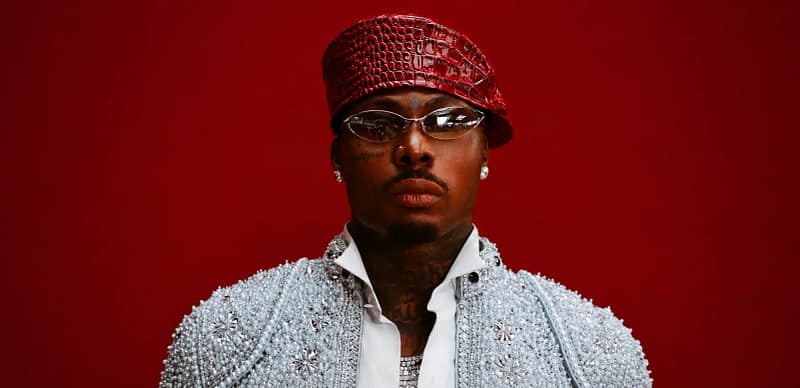
Asake Audiomack record! See how he became Audiomack’s most streamed artist ever, who follows him, and the lessons every artist should learn.
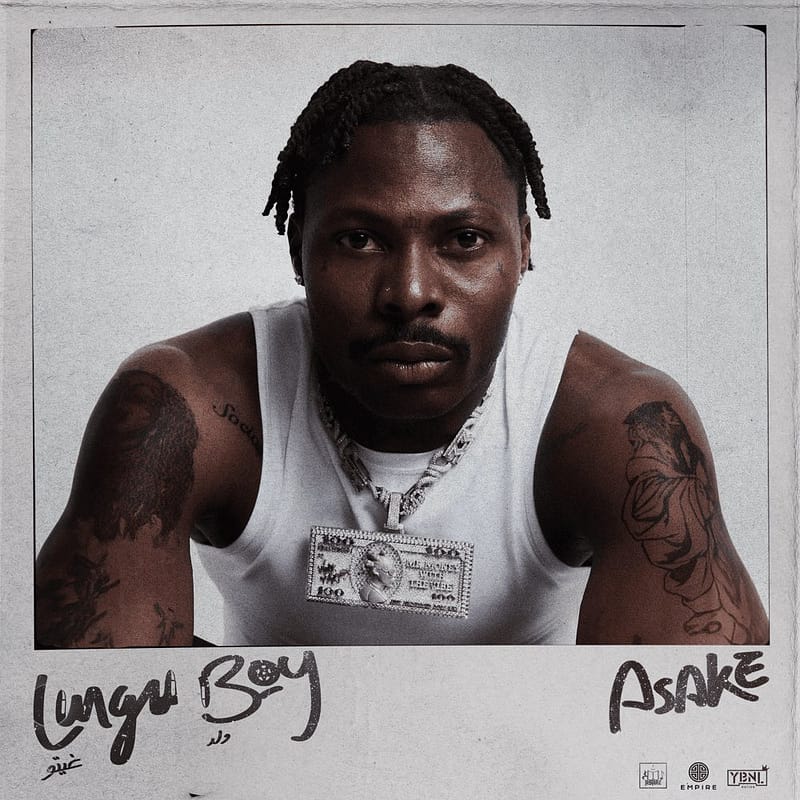
Asake, the monstrosity of a Nigerian pop—scratch that, global popstar—has once again graced our music libraries with an album titled “Lungu Boy.” After the successes of his debut and sophomore albums, Asake aims to complete his own trilogy with this release. In an interview with Apple Music, Asake explains that “Lungu” is a term for “ghetto,” and the album explores his upbringing, musical journey, and how these experiences have molded him into the person he is evolving into. Asake kickstarts the album with a track titled “Start,” where he samples Asa‘s vocals from her legendary hit single, “Eye Adaba.” It makes for the perfect intro, as Asake enters the track with eulogistic lyrics. Read also: Purple doesn’t exist album review “MMS,” featuring Wizkid, which seems to be getting all the buzz online, however, feels underwhelming. It seems like Asake is letting the beat return jabs rather than being in full charge of it as usual. The overly mellow vibe of this song stays consistent even through Wizkid‘s verse and struggles to strike any good chords. It feels like getting bitter leaf-flavored ice cream all of a sudden from your favorite ice cream vendor—a beautiful song, nonetheless, that would’ve been perfect as a standalone single. Getting back into his groove, Asake on “Mood” is everything you’d expect from him, as the energy and beat return to what he’s known for. What makes this song even more amazing is Asake‘s delivery of an impressive verse predominantly in Spanish and how he manages to nail it squarely. “My Heart” sees Asake displaying his loverboy side. Riding the wave of his last album’s success and Grammy nomination, this Lungu Boy’s global reach has become evident, and he declares it on track 5, titled “Worldwide.” Asake continues to impact the music industry not just in Nigeria, but globally. For “Active,” the Lungu Boy teams up with Travis Scott for a creative party anthem. Featuring a sample from Jazzman Olofin and Adewale Ayuba’s “Raise the Roof,” Travis Scott and Asake blend well on this pop-Fuji track. Travis takes a creative approach with his verse, using the sample to complete his lines. Read also: How to create an effective rollout plan for your next release “Suru,” featuring Stormzy, is a sublime song where the collaborators sync beautifully. They preach about patience, its rewards, and the mysterious works of God. “Skating” is a song about his newfound hobby, finding joy in the little things even as an adult, and navigating life as a popstar. “Wave,” a track with Central Cee, is everything wavy and lovely as Asake describes his strict affinity for good energy, a great time, and more money, while Cee speaks to his babe about the soft life he’s now able to afford her after going through a tough path. “Mentally” is a song about keeping his mind in the right state at all times by avoiding situations detrimental to his mental health and embracing favorable circumstances. “Uhh Yeah” is all Fuji vibes and American club music. Sarz gives Asake the perfect cross-cultural canvas for him to paint on this one. “I Swear” sees Asake confessing his newfound ease with navigating life and his steady enjoyment of it. Asake‘s unique blend of danceable gyrations with Fuji vibes is clear on “Ligali,” as he spazzes about a good girl who likes all the bad things responsibly. Is there a genre Asake cannot do? Asake delivers on “Whine,” a dancehall track alongside LUDMILLA. On arguably the most anticipated track on the album after “MMS,” “Fuji Vibe,” the ‘bonus track,’ has become the cornerstone of the decade with its distinct Lagos groovy sound. And of course, it is Fuji in all its glory. The alujo on the second half of the 5-minute-plus song carries an instrumental rendition of his breakout single from 2020, “Mr. Money.” Despite its duration, the people love it. A 10/10 album closer. Safe for MMS, it’s safe to say Asake made another beautifully curated album and it’s sure going to appear on multiple album of the year conversations.
Victony’s STUBBORN album review.
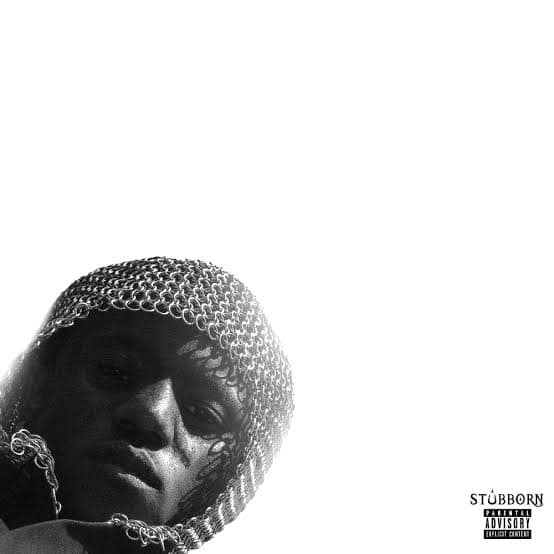
Victony’s journey as an Artiste has been nothing short of interesting. He came into the scene as The Outlaw King and has built a tribe loyal to him, his music, and his brand. His contribution to Mayorkun’s “Holy Father” is widely credited as the song responsible for his breakout even though he had been active and buzzing before the collaboration. His sophomore album’s creative direction was inspired by the resilience he has personified from when he was a struggling child to now that he’s a superstar. From the cover art, which shows him in a war helmet anyone familiar with the Arthurian legend would be familiar with, to the visuals of the titular track. Resilience, which he referred to as stubbornness, is the main theme of the album, and this is especially evident in the track with Asake, which is titled after the album, “Stubborn,” and “Oshaprapra.” On “Oshaprapra,” he speaks about his challenges and describes them as “hellfire” while enlisting Shorae Moore, another creative genius who complemented Victony beautifully. On “History,” Victony reached deep into his lamba bag to describe his struggles while growing up. With his hand still dancing at the bottom of his lambag, Victony featured Shallipoppi, the Nigerian Shakespeare, on “Ludo” to create a sultry song rich with Afrobeat lamba-esque poetry. Read also: The year I turned 21 album review “Anita” carries a mean hook you don’t have to listen to more than once to get infected by. Victony, who is known to be a staunch preacher of b#mb#m supremacy, describes his desire to “eat Anita’s cake” (wink, wink). On “Everything,” Victony sampled Post Malone & Swae Lee’s “Sunflower.” “Everything” is another track in which Victony reached deep into his lambag as he compared his woman to everything good and nice poetically in the Nigerian way. On “Risk,” he’s more vocal about his love for b#mb#m as he speaks of his partner’s backside while singing her adorations. The different vocal textures and styles he employed on this song almost make it feel like he featured at least one other Artiste, but it’s just one genius behind the microphone. Victony featured SAINt JHN on “Tiny Apartment.” This song shows the two Artistes bending and switching beautifully between different delivery styles. On “Slow Down,” Victony displays more versatility while retaining his unique vocal texture as he delivered a beautiful pop-influenced verse to accommodate Teezo Touchdown‘s country-influenced verse. Read also: Born in the wild album review The titular track, “Stubborn,” where he features Asake, another Nigerian star, explains what it means to be really stubborn: the resilience, the doing things people have told you you wouldn’t be able to do, the being headstrong even under unfavorable situations. He describes what it has been like being a poorer, younger him and all the struggles he had to overcome. As someone that enjoys experimenting with both his music and imagery, often incorporating various alter egos like is seen in his alien personality, “Tredax.” This characteristic of Victony is evident on “Kolo,” where he delivers lambastic Afrobeats writing and flows, describing his crazier, street-oriented side. “Ba$Tard, Don’t Be Silly” is another track that draws from the same well while telling people not to mess with his bag. Victony can be described as a deep lover with the way he expressed vulnerability and longing for his woman on “Pier 46,” on which he featured KTIZO. The song offers solemn, yet catchy lyrics and melodies that many are going to have a good time serenading their love interests with. On “Sunday School,” he pours out his bleeding heart after being stabbed in the heart by a partner he had given his all to. Wrapping up the album, Victony reaffirms his spirituality by asking God to ease his affairs and guide his steps as he resiliently goes through life on the track, “Street Affair.” Victony’s STUBBORN is an Afrobeats masterpiece that’s going to birth many chart-topping tracks as people get into it more and more, just like Omah Lay’s “Boy Alone” did. It’s definitely part of our top five favorite projects of the year 2024 so far.
Album Review: Born in the Wild
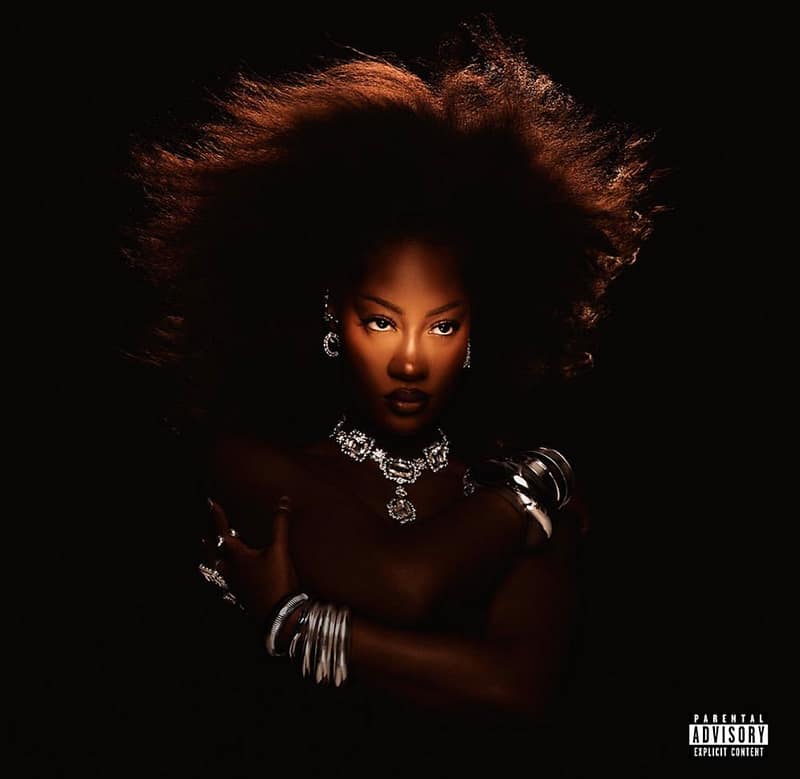
Temilade Openiyi, known as Tems, was once a young girl from Lagos, Nigeria, with dreams too big for most caring Nigerian parents to accommodate or sponsor. She was raised to work a 9-5 job but quit her corporate job in 2018 to focus solely on music. Today, she is one of Nigeria’s biggest entertainment exports. Tems broke into the limelight in 2019 with “Try Me,” captivating audiences with her unique sound, soulful voice, and exceptional songwriting, despite it being a departure from the typical Nigerian sound. Shortly after her debut EP in 2020, Wizkid featured her on “Essence,” a track that gained international acclaim and introduced Tems to the global stage. Her sound appealed more to international audiences, leading her to dominate while quickly shedding her introverted shell. Her powerful voice earned her a feature on Future’s hit song “Wait For U,” which also featured Drake. Tems’ first Grammy win came for “Wait For U,” though she had been nominated before. After being diagnosed with reflux laryngitis, Tems took a mandatory break from music and performance to fully heal. She made a comeback with “Me & U,” a song now featured on her debut album, “Born in the Wild.” Tems displayed her versatility and range by curating a medley of genres from Afro, R&B, soul, and even rap across the album’s 18 tracks. “Born in the Wild” reflects the hunger of a girl who had to pave her own way, given that many did not understand her music in her home country. The album speaks of surviving Nigerian society, evident in tracks like “Wickedest,” “Burning,” “Ready,” and the album opener titled after the album itself. “Me & U” explores finding inner peace, while “Love Me JeJe,” the last lead single, is a soft love song that interpolates Seyi Sodimu’s 1997 hit of the same title. “Ready” captures the powerful moment of stepping out of one’s comfort zone, embracing challenges, and committing to personal growth. It conveys the courage to face obstacles head-on, even through tears or anger, moving forward with unwavering determination. In “Boy O Boy” and “Turn Me Up,” Tems expresses her frustration with a love interest who consistently disappoints, while asserting her capabilities. “Unfortunate” reflects on how losing certain ‘special’ people can be a blessing in disguise. Channeling Michael Jackson’s style in “Forever,” Tems sings about life after a breakup. “Gangsta” features a beautiful interpolation of Diana King’s “L-L-Lies” and discusses the demands of stardom and public scrutiny. The amapiano spin on “Get It Right” featuring Asake describes her expectations from a relationship. Asake complements Tems’ verse with a spectacular street-ready performance. “Free Fall,” featuring J.Cole, addresses the strain and friction caused by lovers’ obliviousness to each other’s flaws. J.Cole’s impeccable verse seamlessly complements Tems’. In “T-Unit,” Tems showcases her rap skills, boasting about her unmatched status among peers. The album closes with “You In My Face” and “Hold On,” where Tems describes what it takes to carve one’s path through uncharted places and survive the harsh realities of being one of the few swimming against the tide. The mellow “You In My Face” transitions beautifully into the uptempo “Hold On,” providing a fitting end to the album.