

For the first time in a while, the Headies has given music fans something bigger to argue about than who will win on the 18th edition of the award show.
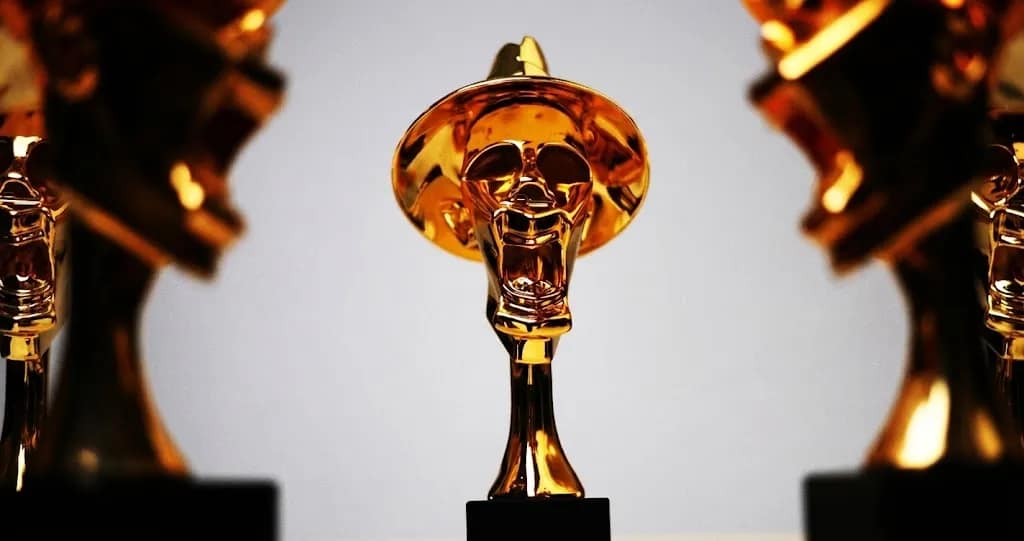
From FOLA leading the nominations to Davido being added after the list was published, a new generation getting serious attention and questions over who was left out, the Headies 2026 story has already become an event of its own.
And that is exactly why this edition feels different.
The nominations cover music released between August 1, 2024 and April 30, 2026, giving the 18th Headies a much wider pool of music to judge. The organisers announced 213 nominations across 35 categories initially, while later versions of the list put the number at 218.
But beyond the numbers, look closely and you will notice something else.
The old guard is still here. Wizkid, Davido, Burna Boy, Omah Lay, Asake, Ayra Starr and Tiwa Savage remain major figures in the race.
At the same time, names such as FOLA, Mavo, Fido, Llona, Shoday, Kunmie, PDSTRN, Tuff King, Zaylevelten and Scottyolorin are getting much bigger attention.
So, has The Headies finally found the right balance?
The 18th Headies Gives FOLA, New Stars a Bigger Stage
If you were looking for the biggest surprise from the Headies nominations, FOLA is the obvious place to start.
The singer leads the pack with 10 nominations, putting him ahead of Omah Lay with eight, while Mavo and Wizkid have seven each. Davido and Asake are also among the leading nominees, while Ayra Starr and Tiwa Savage lead the female nominees with five apiece.
But FOLA’s story is bigger than simply having 10 nominations.
He is competing in some of the biggest categories, including Album of the Year, Best Male Artiste, Best R&B Album, Best Recording of the Year, Digital Artiste of the Year and Next Rated.
That last one is where things get interesting.
How can an artiste compete for Best Male Artiste and Next Rated at the same time?
It is a question the 18th Headies has placed right in front of us.
FOLA is not the only emerging name making noise.
Mavo, Fido, Llona and Shoday are in the Next Rated conversation, while the Rookie of the Year category gives space to names such as Amma, Danpapa GTA, FirstKlaz, Kidd Carder, NO11, Priesst and OG Abbah.
That matters.
The Headies 2026 nominations are not simply recycling the same superstar names and throwing one or two newcomers into the mix.
They are allowing some of the newer faces to compete in important categories.
Look at the alternative scene too.
Scottyolorin’s Olorin Pack and Zaylevelten’s Then 1t Got Crazy are among the nominees for Best Alternative Album, alongside projects from Show Dem Camp, Sewa, BOJ and Wizard Chan.
PDSTRN is also competing for Best Rap Single and Lyricist on the Roll, while Tuff King has multiple nominations across rap and street-hop categories.
That is one of the strongest arguments in favour of the 18th Headies.
The organisers appear to be looking beyond streaming giants and giving more room to different parts of the Nigerian music scene.
And honestly, that is what an awards show should do.
But The 18th Headies Has Also Created Its Own Controversy
Here is where the story gets messy.
The 18th Headies released its nominations on August 25, but the list did not remain untouched for long.
Davido was initially missing from the Best Male Artiste category.
The original list featured Adekunle Gold, Asake, FOLA, Mavo, Rema, Wizkid and Burna Boy.
Then the organisers updated it.
Davido was added, taking the category to eight nominees.
You already know what happened next.
Social media went into overdrive.
Some fans questioned how such a major name could be left out of one of the biggest categories in the first place. Others accused the organisers of damage control, while some defended The Headies and argued that nomination lists can be corrected when mistakes are discovered.
And this is where we have to be fair.
The claim that The Headies had never changed a nomination list before is not correct.
The organisers made corrections to the 12th Headies list in 2018, including removing Nonso Amadi from two categories because his song fell outside the eligibility period and correcting producer credits.
So the problem is not simply that the list was edited.
The real question is why a major category containing one of Africa’s biggest music stars needed to be corrected shortly after publication.
That is the part fans are still talking about.
And it does not end there.
The wider nomination list has also been scrutinised over perceived omissions. Fans have questioned why certain artists and projects did not appear in categories where they expected them.
But this is where we should draw a line.
Not every artist who fails to receive a nomination has been “snubbed”.
Some of those arguments are fan opinions, not established facts.
The same applies to names such as Famous Pluto and Tuff King. Both actually received nominations, meaning it would be inaccurate to simply describe them as completely ignored by The Headies.
Tuff King, in particular, received multiple nominations. So perhaps the better question is not “Who did The Headies snub?”
It is:
“Did The Headies recognise the right people in the right categories?” That is a much harder question to answer.
Is The Headies Really as Inclusive as It Looks?
This may be the biggest debate surrounding the Headies 2026 nominations. On one side, the evidence for greater inclusion is clear.
There are more emerging names, more alternative acts, new-school rappers, regional African artists and a wider mix of sounds represented across the categories.
The awards are also expanding their international reach.
The 18th Headies is themed “Africa to the World” and is moving to Toronto, Canada. The organisers have also created a Best African Diaspora-Canadian Artiste category, while the wider programme includes a trade and investment summit, talent showcase and other events around the main ceremony.
That sounds like an awards show trying to become bigger than Nigeria. But then comes another side of the conversation.
Afrogospel artiste Gaise Baba recently criticised The Headies over what he described as the sidelining of faith-based music from major categories.
His argument was simple: if a gospel or faith-based song meets the same artistic, creative and impact standards as other records, why should it be restricted to an inspirational category?
That puts the word “inclusive” under a microscope.
Because inclusion cannot only mean giving more nominations to emerging Afrobeats and alternative artists.
It also has to mean asking who gets to compete, which sounds are treated seriously and whether every part of the industry gets a genuine chance to be recognised.
And that is why the 18th Headies has become more interesting than the usual awards conversation.
Toronto Changes the Bigger Picture
The move to Canada also deserves attention.
The official Headies events calendar currently lists the main ceremony for October 23, 2026, in Toronto, alongside nominees’ interviews and the red carpet on the same day.
Some earlier reports and official material have cited October 25, so the organisers’ current events calendar is the clearest date to follow for now.
But the bigger point is not the date. It is the direction.
The Headies is taking the show to a city with a large African and Nigerian diaspora, while adding events designed to connect music, business and culture.
The Best African Diaspora-Canadian Artiste category fits directly into that plan. t is a bold move.
But it also gives fans another reason to ask whether The Headies is still primarily a Nigerian music awards show or whether it is trying to become a broader African music institution.
And perhaps that is exactly the point.
So, Has the Headies Finally Got It Right?
Not completely. But it may be getting closer.
The Headies has done something important by making room for artists who represent where Nigerian music is heading, rather than only celebrating where it has already been.
FOLA’s 10 nominations are a perfect example.
Mavo, Fido, Llona, Shoday, Kunmie, PDSTRN, Tuff King, Zaylevelten and Scottyolorin add another layer to the conversation.
The alternative, rap and emerging scenes are being seen. The international categories are expanding. Toronto gives the awards a new identity.
But the Davido nomination-list edit has raised questions about the process, while Gaise Baba’s criticism shows that the inclusion debate is far from over.
So, if you ask me, the Headies has changed.
The real test now is whether the organisers can make that change feel credible all the way to the winners’ announcement.
Because an awards show does not earn trust simply by nominating more people. It earns trust when fans believe the process is fair.
And that is the biggest question hanging over the Headies 2026:
Do you think the Headies finally got it right, or has it only started the conversation?


