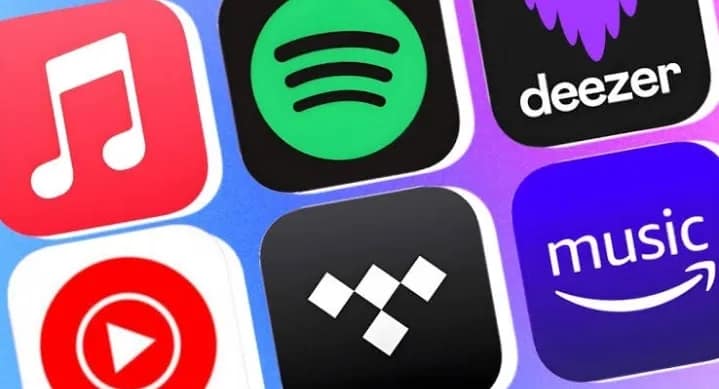
Music distribution deadlines on streaming platforms are stricter than most artists realise, and missing them could push your release into next year.

The year is almost over, and so, if you haven’t submitted your latest tracks, now is the time to pay attention, Theartisteguide reports.
Whether you’re an indie artist or a label, understanding these release dates is crucial to make sure your music drops exactly when you want it.
Why Year-End Music Release Timing Matters
Platforms like Apple Music, Spotify, Audiomack, and Boomplay see a surge in submissions during the holidays.

This flood can slow down reviews and processing, meaning even if you submit today, your song might not appear until January.
Planning your year-end music release is more than a suggestion—it’s a strategy to hit the playlists, maximize streams, and keep your audience engaged.
If you want your song to drop on December 5, you should have submitted by November 28. For a December 19 release, your cut-off is December 12.
For December 26, aim for December 19 at the latest. After about mid-December — especially December 19 onward — submitting a song for December release becomes risky; many distributors slow down or go offline for holidays.
For platforms like Spotify, Audiomack or Boomplay, treat the period from early to mid-December as your final safe window. If you miss that, better to plan for a January release.
Key Music Distribution Deadlines You Need to Know
To get your song out before the year ends, here’s a breakdown of the approximate deadlines for major streaming platforms:

Apple Music: Submit by mid-December for a December release. After that, your track may go live in January.
Spotify: Similar cut-off dates apply; early submission is required for playlist pitching and algorithmic placements.
Audiomack Distribution: Accepts last-minute uploads, but holiday processing can delay your release by days.
Boomplay Release Dates: Year-end uploads are often paused during the last two weeks of December to manage traffic and support.
Submitting early is not just a safety net—it’s the smart move to avoid missing the holiday window.
How to Plan Your Year-End Music Release
Start 3–6 Weeks Early: Most distributors recommend uploading at least 3–6 weeks ahead. This ensures time for processing, approval, and unexpected changes.
Check Metadata and Artwork: Platforms require correct metadata, high-quality artwork, and licensing details. Errors can delay release.
Communicate With Your Distributor: Ask about holiday cut-offs; every distributor has its own timeline for processing year-end music releases.
Set Realistic Release Dates: If you’re already late, it might be safer to schedule for early January rather than risk delays in December.
Benefits of Hitting Deadlines on Streaming Platforms
Meeting music distribution deadlines ensures your track is included in year-end playlists, charts, and algorithmic recommendations.

It also helps your fans discover your music when engagement is high, maximising streams and revenue. On the other hand, missing these cut-offs can reduce visibility and momentum for your project.
End-of-year releases can run smoothly if artists plan ahead. Make sure to submit music early, double-check all assets, and stay in touch with your distributor so you don’t miss platform cut-off dates.
Getting everything in ahead of time keeps your release on schedule and frees you up to focus on the creative side.