

The Nigerian music industry has changed so much that some things that once made artists feel embarrassed are now things they proudly embrace.
From songwriters and A&Rs to shorter songs and producer alter egos, the industry is slowly becoming more comfortable with showing the people and processes behind the music.
There was a time when an artist wanted fans to believe almost everything happened naturally in the studio. If someone else helped write the song, selected the track or shaped the record, it was not always something the artist wanted people talking about.
But things are different now.
The growth of streaming, social media, publishing, better music business knowledge and a younger generation of creatives have changed what people consider cool in Nigerian music.
Here are five things that were once treated differently but are now becoming normal in the Nigerian music industry.
1. Artists Are Now Proud to Have Songwriters
For a long time, having a songwriter behind your record could feel like admitting that you could not write your own songs.
That perception has changed.
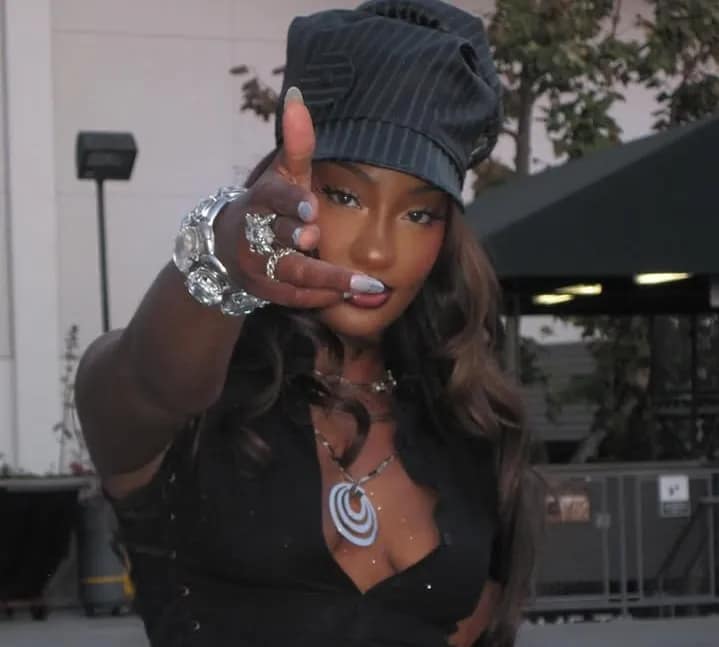
Today, more people understand that making a great record is a collaborative process. A songwriter can bring the hook, melody, lyrics or even an entirely different perspective that helps turn a good idea into a proper hit.
And importantly, songwriters are getting more recognition for their work.
Publishing and songwriting credits are now part of bigger conversations around Nigerian music, especially as artists and creators become more aware of royalties and ownership.
Nigerian rights organisations also recognise songwriters, composers and publishers as creators who can earn royalties when their works are used commercially.
That is a big shift.
Instead of hiding who helped create the song, the industry is increasingly giving these people their flowers.
The songwriter is no longer simply the person sitting somewhere in the background. In many cases, fans want to know who wrote the record, who created the melody and who helped shape the idea.
That is progress for the Nigerian music industry.
2. A&R is No Longer Something Artists Need to Hide
There was also a time when admitting that an A&R helped with your music could make some people question your artistic control.
Now, people are beginning to understand what A&R actually does.

An A&R can help identify songs, guide the direction of a project, select records, connect artists with the right producers and writers, and generally help make sure a project makes sense.
In other words, an A&R is not necessarily telling an artist what to do. A good A&R can help an artist make better decisions and we are seeing more appreciation for that role.
The Nigerian music industry has become too competitive for artists to believe they must do everything alone. Sometimes, having another experienced person listen to the music and say, “This is the one,” can make a huge difference.
3. Producer Alter Egos are Suddenly a Big Thing
Being both an artist and a producer is not new in Nigeria.
Don Jazzy is one of the biggest examples. He built his name as a producer before becoming an artist himself, while continuing to operate as a major force behind the music.

But something interesting is happening with the new generation. Some artists are now creating separate identities for their artist and producer sides.
The clearest example is Zaylevelten and Tenski.
Zaylevelten is the artist persona, while Tenski represents the producer side. The two identities can exist almost like separate creative worlds, even though they belong to the same person.
Producer identities such as “Sarz on the Beat” also show how a producer’s name can become a brand of its own. Sarz as an artist and “Sarz on the Beat” as his production identity.
The beauty of this trend is that it allows creatives to experiment.
Your artist name can represent one sound, while your producer identity can explore another. You do not have to squeeze every part of your creativity into one box.
For the Nigerian music industry, that is a very modern way of thinking.
4. Very Short Songs are No Longer a Problem in Nigerian Music Industry
Remember when a song had to be four, five or even six minutes before people considered it a serious record?
Those days are changing. Now, a song can be barely two minutes long and still become a massive record.
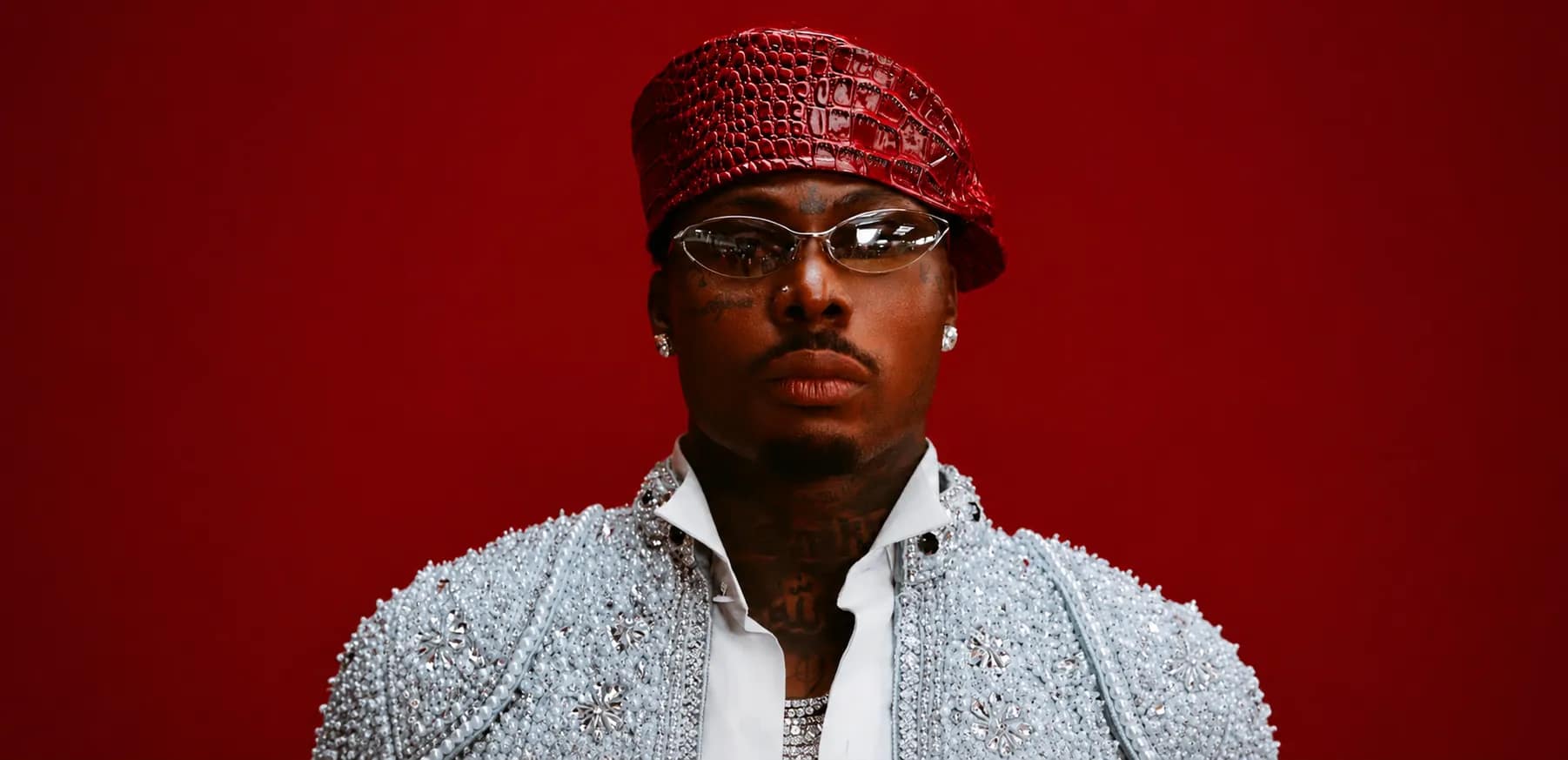
The rise of streaming and short-form content has changed how people discover and consume music.
In Nigeria, platforms such as TikTok have become powerful discovery tools, with short clips helping songs reach large audiences and sometimes pushing relatively unknown artists into the spotlight.
That has also changed the way artists think about song structure. A short song is not automatically a good song. But the old idea that a serious record must be long is disappearing.
Sometimes, one minute and forty seconds is enough to say everything you need to say and if people press replay immediately after it ends, even better.
5. Being Independent is Now Something to Be Proud Of
Perhaps one of the biggest changes in the Nigerian music industry is the way people now look at independence. Being unsigned used to sound like you had not made it.
Now, saying you are independent can actually be part of your appeal.
The internet has given artists access to distribution, social media, streaming platforms and direct communication with fans without requiring them to first become major-label artists.
That does not mean labels are no longer important. They are, but the conversation has changed.
An independent Nigerian artist can build a community online, release music consistently, promote it directly and grow an audience before deciding whether a record deal makes sense.
The power has not completely shifted away from labels, but artists have more options than they did before.
And that freedom matters.
The Nigerian Music Industry Is Simply Changing
When you look at these five things together, one message becomes clear: the Nigerian music industry is becoming less obsessed with the idea that the artist must appear to do everything alone.
Songwriters can get their credits.
A&Rs can receive their recognition.
Producers can have their own artist identities.
Songs can be shorter.
Artists can build successful careers independently.
None of these things means the old way was completely wrong. It simply means the industry is evolving.


