I’m sure you must have noticed it too. A new Nigerian song drops on Friday, and by the following Monday, it already feels old.

We get a few days of excitement, maybe even TikTok trends—but then silence. No replay value, no legacy, just fast-moving noise, Theartisteguide reports.
So why don’t Nigerian songs last anymore?
It’s not just your ears—something has changed in how we make and consume music. From rushed projects to fan fatigue, today’s hits are burning out faster than ever.
Let’s talk about it, shall we?
The Flood of Music and a Race Against Time
Every Friday, music lovers in Nigeria are bombarded with dozens of new songs—from mainstream stars to upcoming talents hoping for a viral moment.

And in today’s world, life is already fast and full of distractions. People barely have time to sit with a song, let alone an album.
The pace of social media, work stress, and digital notifications has made music feel like background noise.
We don’t pause to replay songs—we swipe past them. So even if a song is good, it gets drowned in the sea of releases.
That’s one key reason why Nigerian songs don’t last.
Chasing Virality Over Meaning—The Soul Is Missing
Let’s be honest: most songs today are made for TikTok, not timelessness. Many artists now focus on short hooks, dance challenges, and buzz—not storytelling, emotion, or message.

As a result, the music feels empty. We might move our bodies, but we don’t feel it in our souls.
This virality obsession means artists are rushing to catch trends—auto-tuning everything, jumping on one-syllable hooks, and recycling the same beats.
It’s quick content, not deep art.
The Number Trap—When Hype Kills Discovery
There was a time when fans hunted for good music—online, on the radio, or by word of mouth. But now? It’s all about numbers.

If a song doesn’t have millions of streams, fans scroll past. If the artist isn’t flexing digital plaques, people assume the music isn’t good enough.
This stream-count culture has killed natural discovery. Fans no longer trust their own ears—they rely on what’s “trending,” even if it’s mid.
Afrobeat’s Monotony and the Decline in Sound Diversity
Afrobeats is Nigeria’s biggest cultural export—but it’s also showing signs of fatigue.

Everything now feels copy-paste. Same log drums. Same tempo. Same slang. Many new songs sound like demos of each other, and listeners can sense it.
The creative experimentation that once gave us genre-bending hits has taken a backseat. Instead of evolving, we’re recycling—and listeners are quietly tuning out.
This sound fatigue is a major reason why Nigerian songs don’t last—they blend into one another.
Losing the Homefront—Artists and the Disconnect from Fans
There was a time when top Nigerian artists regularly performed across the country.

From university shows to local festivals, fans could see, feel, and connect with their faves.
Now?
Most stars are busy chasing global audiences—jetting from Europe to the US and only popping into Lagos for luxury events.
As this on-ground connection fades, so does loyalty. When fans don’t feel seen or valued, the music loses impact.
And so, songs drop, trend briefly, then vanish—because there’s no longer a real bond to hold onto them.
What Changed? And What Are We Missing Now?
Back then, Nigerian music had moments.
We lived with albums for months—even years.
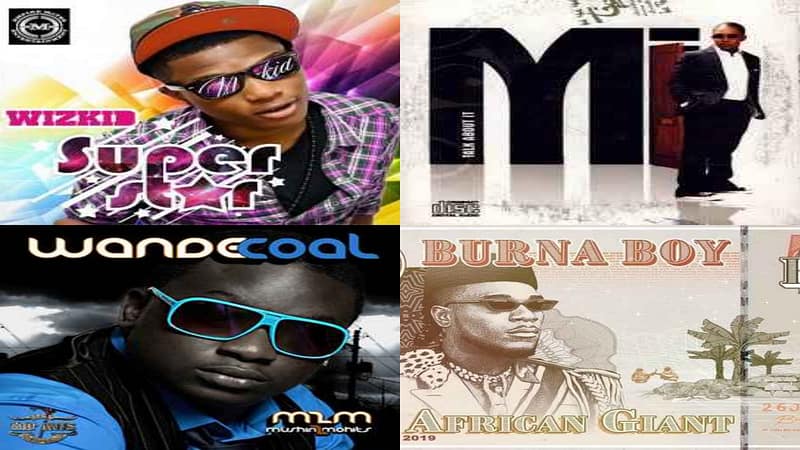
For instance, “Superstar” by Wizkid, released in 2011. His debut studio album put Wizkid on the map with hits like Holla at Your Boy, Don’t Dull, and Pakurumo.

We had “Mushin 2 Mo’Hits” by Wande Coal, released in 2009. One of Nigeria’s most iconic albums, delivered under Mo’Hits Records. Tracks like Ololufe, You Bad, and Bumper to Bumper defined that era.
And then “Talk About It” by M.I Abaga, released in 2008. M.I.’s debut album is widely credited with revolutionising Nigerian hip-hop with tracks like Safe, Anoti, and Crowd Mentality.
But now projects drop with zero buildup and vanish with zero impact.
The conversation doesn’t even last a week.
There’s no connection. No weight.
And this shift isn’t just happening in Nigeria alone.
Even abroad, where Nigerian music is enjoying more spotlight than ever, the songs still feel disposable. The diaspora is catching the same fever—quick streams, quick skips.
We may be global now, but we’re also becoming less memorable.

Why Nigerian songs don’t last isn’t just a rant. It’s a wake-up call. The music scene in Nigeria is more active than ever—but being busy doesn’t mean being better.
To bring back the magic, we must focus less on the charts and more on the art. That’s the only way Nigerian songs will last again.