You probably didn’t notice it at first. Then one day, you played a song you loved, looked at your screen, and realised it was already over.
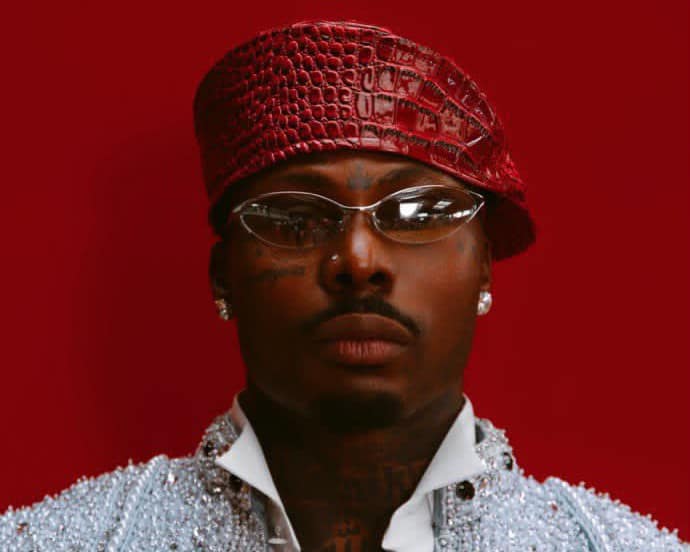
That’s exactly what happened when I listened to Asake’s “Gratitude.” The song lasts just 1 minute and 56 seconds, yet it somehow leaves you wanting more, Theartisteguide reports.
And that’s becoming normal. Across the music industry, songs are getting shorter. From Afrobeats to hip-hop and pop, anything above three minutes is beginning to feel unusual.
The question is: is this trend really making music better, or is it simply helping artists get more streams while fans get less music?
Why Are Songs Getting Shorter? It’s Not Just Afrobeats
Take a quick look at recent releases and you’ll notice the same pattern.
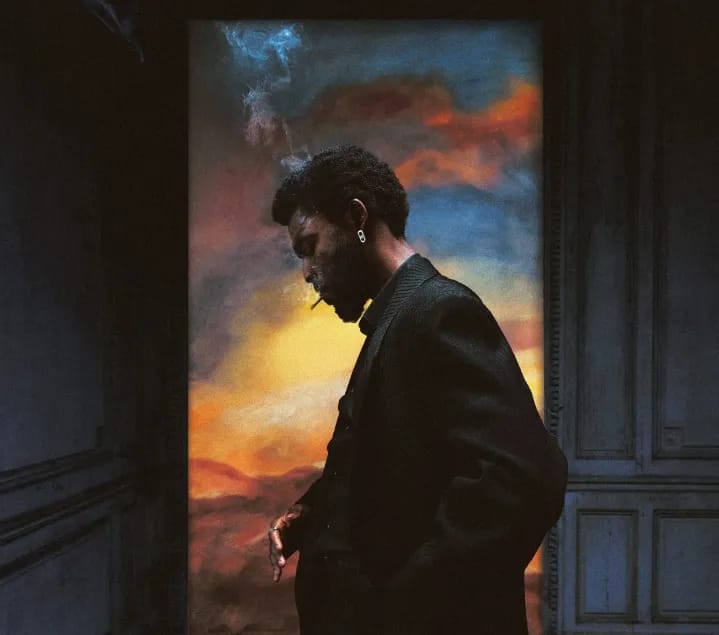
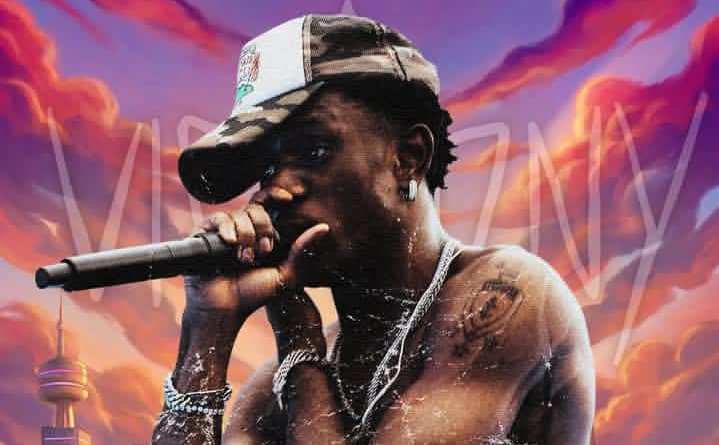
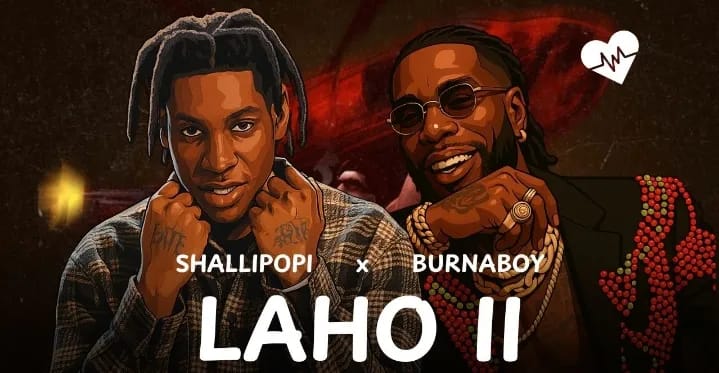
Omah Lay’s “I Am” stops before the two-minute mark. Shallipopi’s “Laho II” also comes in under two minutes. Victony’s “SLICK,” and songs from Zaylevelten all follow a similar approach, with some ending before listeners fully settle into the vibe.
But this isn’t unique to Nigeria. The same pattern is playing out globally. Tyler, the Creator’s “Droppin’ Seeds” featuring Lil Wayne lasts just one minute.
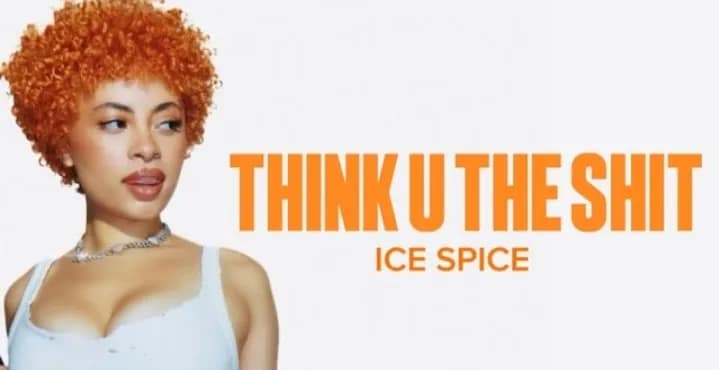
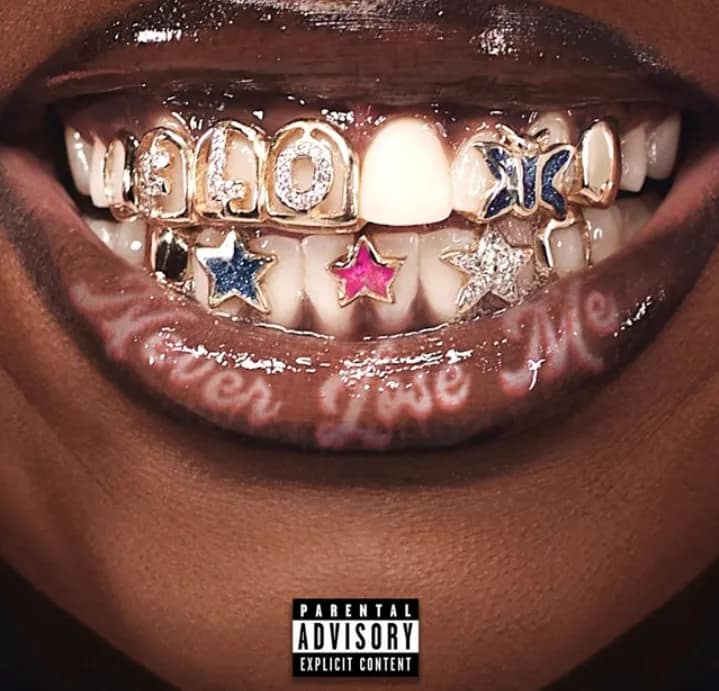
Frank Ocean’s “Not Just Money” doesn’t even reach a full minute. Ice Spice’s “Think U The Shit (Fart)” clocks in at just 1 minute and 48 seconds, while Flo Milli’s “Never Lose Me (Demo)” and Megan Thee Stallion’s shortened version of “Cobra” also stay below the two-minute mark.
Whether it’s Afrobeats, rap or pop, artists around the world are embracing shorter records.
While not every hit falls below two minutes, the average length of many songs has dropped compared to just five or six years ago.
Back then, a hit record often lasted between three and four minutes. There were longer verses, proper bridges, extra hooks and even instrumental breaks.
Today, many songs jump straight into the chorus, deliver one verse, repeat the hook and end before you fully settle into the vibe.
That’s probably not a coincidence. Many people believe it’s partly driven by today’s streaming culture, and when you look at how streaming works, it’s easy to understand why.
Why Artists Love Shorter Songs
From an artist’s perspective, the strategy makes perfect sense.
Most major streaming platforms count a play once a listener has streamed a track for around 30 seconds. If your favourite song lasts only one minute and forty seconds, you’re much more likely to play it again immediately.
Think about your own listening habits for a moment. You’ve probably experienced it before. A song is just getting into its groove when it suddenly ends. Your first reaction is usually, “Wait… that’s it?”
Without even thinking, you tap the replay button. One stream quickly becomes two. Two turns into five, and before you know it, you’ve played the same song ten times.
That’s exactly where the advantage lies for artists. Every replay adds another stream, helping boost their numbers on platforms like Spotify and Apple Music.
More streams can mean more income, stronger chart positions, bigger figures to present to brands, and an even better chance of going viral on TikTok.
In other words, shorter songs fit perfectly into today’s streaming economy. The shorter the song, the easier it is to rack up millions of plays.
But here’s the question many fans are beginning to ask: are we replaying these songs because they’re genuinely that good, or because they end before they have a chance to satisfy us?
But What Do Fans Really Gain?
This is where listeners may see things differently.
Sure, shorter songs are easy to replay, but does that automatically mean they’re more enjoyable?
Not necessarily. Many listeners get to the end of a song feeling like it stopped just when it was getting interesting.
Instead of feeling satisfied, you’re left wanting more—not because the song was perfect, but because it feels like it ended before it had the chance to fully deliver.
For some fans, that replay button isn’t always a sign that the song is brilliant. Sometimes it’s simply an attempt to get the experience they expected the first time around.
Of course, not every short song feels incomplete. Some records say everything they need to say in under two minutes.
But when more artists begin trimming songs to fit the demands of streaming platforms and social media, it’s fair to ask whether creativity is being shaped by algorithms instead of artistic expression.
The streaming era has changed how people consume music. The bigger question is whether it’s also changing how artists create it.
Nigeria didn’t start this movement, but it’s certainly part of it. As Afrobeats continues to dominate playlists around the world, many Nigerian artists are also adapting to the realities of the streaming era.
That’s why more local releases are beginning to mirror what listeners are already see in American rap, pop and other global genres.
Who Really Wins in the Streaming Era?
If we’re being honest, artists probably benefit the most.

More streams often mean more revenue, greater exposure, stronger chart numbers and more opportunities to attract endorsement deals. From a business point of view, shorter songs simply make sense.
Fans still enjoy the music, but they sometimes end up doing extra work—pressing replay again and again—to get the same satisfaction one longer song could have delivered.
That doesn’t mean every short song is bad. Far from it. Some of the greatest songs ever recorded are under two minutes. The issue isn’t the length—it’s the intention behind it.
If a song ends naturally, fans won’t complain. But if it feels like it was cut short simply to encourage another stream, then the music starts serving the algorithm more than the listener.
As the streaming era continues to reshape the music industry, perhaps the goal shouldn’t be making songs shorter. It should be making every second count.